
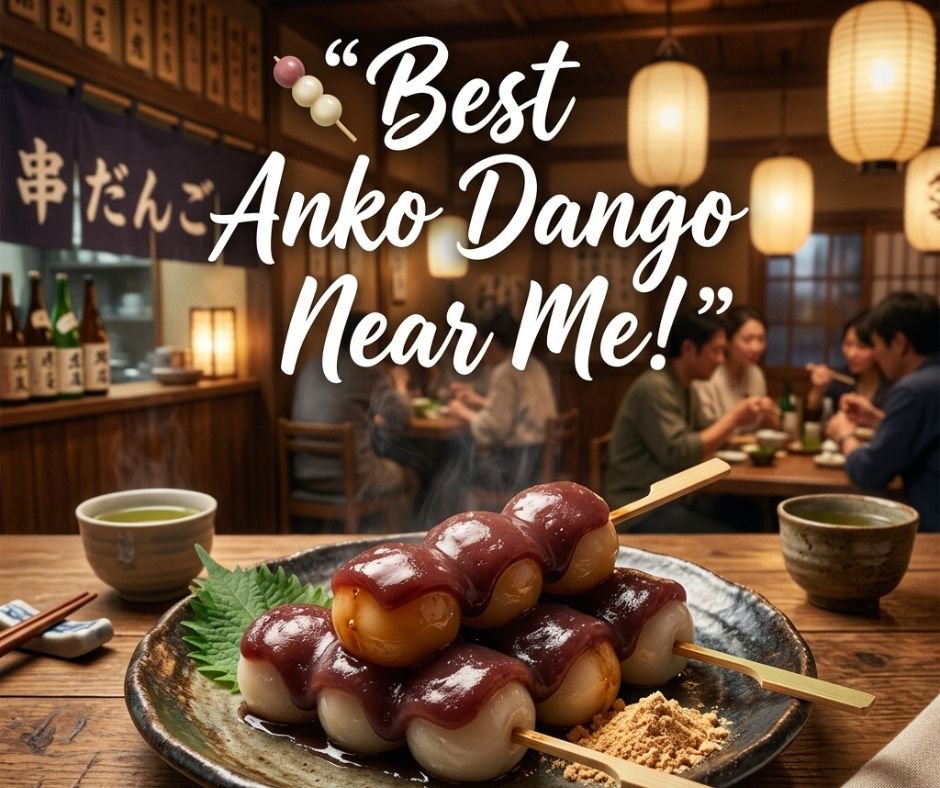

Craving a chewy Japanese treat topped with rich, sweet red bean paste? Finding Anko Dango Near Me can be surprisingly difficult when you want something fresh, authentic, and reasonably priced. Whether you are discovering dango for the first time or already love traditional Japanese sweets, knowing where to look can save time and help you choose better.
This guide shows you how to find nearby shops, compare menus, check prices, and spot quality dango worth trying. You will also discover what anko dango tastes like, where it is commonly sold, and how ordering options vary. Keep reading to uncover practical tips for finding your next favorite Japanese dessert nearby with confidence.
What Is Anko Dango and Why People Search for It Near Me
Anko dango is a traditional Japanese sweet made from mochiko, or glutinous rice flour, shaped into small chewy balls and served on a skewer. The dumplings themselves are fairly neutral in flavor, which is exactly the point — they act as a canvas for the real star of the dish: anko, a thick paste made from slow-cooked azuki (red) beans and sugar. Depending on the shop, that anko might be smoothly pureed or left slightly chunky, spread on top of the dango, wrapped around it, or served alongside it for dipping.
Interest in this dessert has grown steadily in the US thanks to Japanese cafes expanding into major cities, anime and Japanese pop culture normalizing unfamiliar snack names, and food-focused social media accounts introducing viewers to wagashi (traditional Japanese confections) they’d never encountered before. That said, demand has outpaced supply in most American markets, which is exactly why so many people end up frustrated when a Japanese dessert near me search returns nothing useful.
How “Anko Dango Near Me” Searches Actually Work
Local search results for niche foods like dango behave differently than they do for something like pizza or coffee. Google Maps and similar tools rely heavily on how businesses categorize and describe themselves, and very few American bakeries tag their listings with the word “dango” even if they sell it. As a result, searching the exact phrase often misses shops that carry the dessert under a broader label like “Japanese bakery” or “mochi shop.”
You’ll generally get better results by casting a wider net. Try searching terms like Japanese bakery near me, Asian dessert shop, or Japanese food near me, then scanning menus once you land on a business listing. Photos uploaded by past customers are especially useful here, since dango is visually distinctive and easy to spot even when a menu description is vague or missing entirely.
Why Results May Be Limited Outside Major Cities
Authentic anko dango tends to cluster in cities with established Japanese communities, including Los Angeles, New York, San Francisco, Seattle, and Honolulu. If you live outside one of these areas, don’t assume the dessert simply isn’t sold near you — it’s worth checking Asian grocery stores, food halls, and pan-Asian bakeries that may carry it without heavy marketing. Suburban and rural searchers often have better luck with packaged or frozen versions found at Japanese and Korean grocery chains than with fresh, made-to-order dango from a dedicated shop.
What Does Anko Dango Taste and Feel Like?
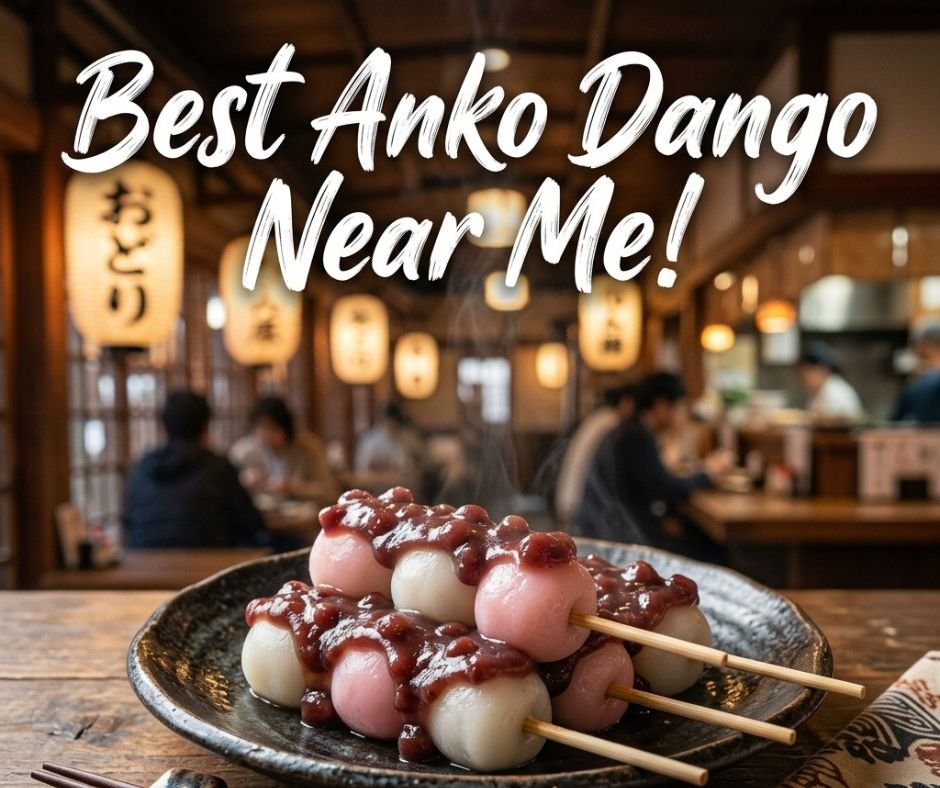
The texture is really what sets dango apart from most Western desserts. Each dumpling is soft, dense, and pleasantly chewy, with a slight springiness that holds up as you bite through it — similar in feel to mochi, but slightly firmer and less sticky. The rice flour itself contributes a mild, almost neutral flavor, which keeps the dessert from tasting overly sweet or heavy even after a few pieces.
The anko coating brings gentle sweetness along with an earthy, slightly nutty flavor that comes from the red beans themselves. It’s noticeably less sugary than most American desserts, which surprises a lot of first-time tasters expecting something closer to frosting or jam. If you’ve had red bean mochi or a red bean bun before, you already have a decent reference point; anko dango simply pairs that same sweet red bean paste with a different, chewier base.
What’s Typically Included in an Anko Dango Serving
A standard serving usually consists of three to four dango skewers, each holding several rice dumplings coated or dipped in anko paste. Shops vary in presentation — some coat the dumplings generously, while others serve the anko on the side so you can control how much you add with each bite.
It’s also common to find anko dango offered alongside related but distinct varieties, so it helps to know what you might see on a dango menu. Mitarashi dango uses a sweet-savory soy glaze instead of red bean, kinako dango is dusted with roasted soybean flour, and tri-color dango (hanami dango) alternates pink, white, and green dumplings without any filling at all. If a shop’s menu just says “dango” without specifying the topping, it’s worth asking, since anko isn’t always the default option.
Anko Dango Menu Formats, Pricing Ranges, and Serving Options
Pricing for anko dango varies by region, shop type, and portion size, but a few general patterns hold true across most US Japanese bakeries and dessert cafes. Rather than quoting fixed prices that change constantly, it’s more useful to understand the typical ranges and formats you’re likely to encounter.
| Format | What You Get | Typical Price Range (USD) |
| Single skewer | 3–4 dumplings, one topping | $2–$4 |
| Boxed set (2–3 skewers) | Mixed toppings, take-home packaging | $6–$10 |
| Dessert platter | Dango paired with mochi or other wagashi | $10–$18 |
| Frozen/packaged (grocery) | Multi-skewer pack, shelf-stable or frozen | $4–$8 |
Cafes that make dango fresh in-house typically charge more than grocery stores selling packaged versions, largely because fresh anko and hand-shaped dumplings require daily labor. If a listed price seems unusually low for a “fresh” claim, it’s worth asking how often the shop actually prepares the dessert in-house.
How to Find the Best Anko Dango Near Me
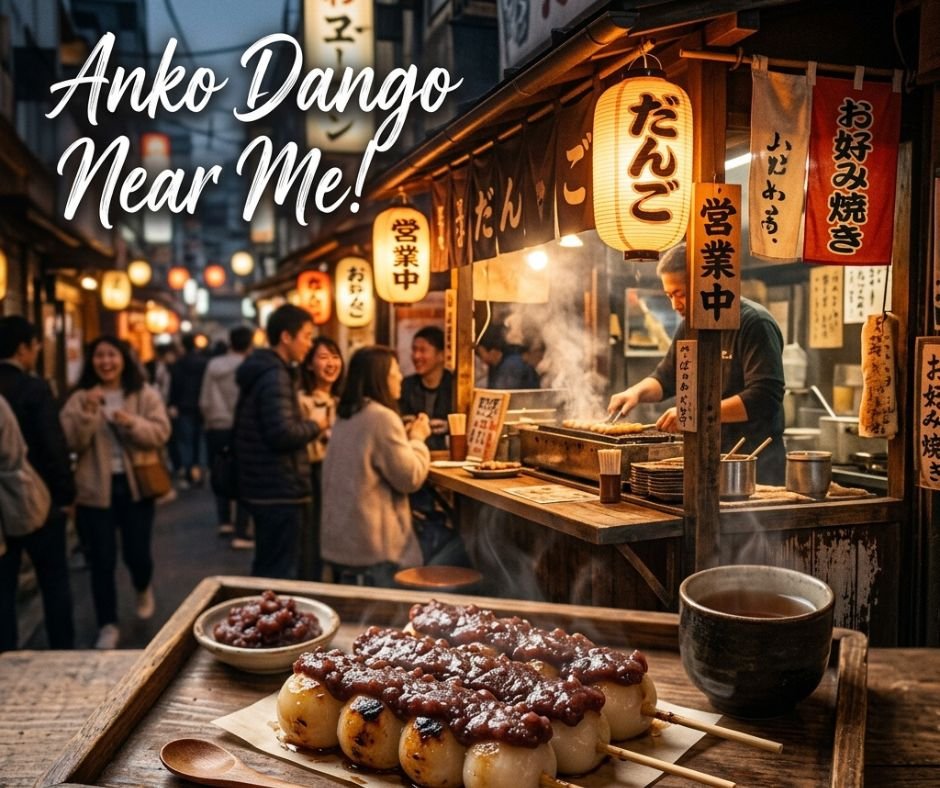
Finding a reliable source takes a bit more legwork than searching a single phrase and hoping for the best. These four approaches consistently produce better results than a generic search.
- Search Japanese bakeries, cafes, and mochi shops directly. These businesses are far more likely to carry anko dango than a general Asian restaurant, even if their online listing doesn’t mention it by name.
- Use Google Maps, Yelp, and Instagram location tags. Customer photos often reveal menu items that official descriptions leave out, and Instagram location tags can surface small shops that don’t rank well in standard search.
- Check Asian grocery stores and food halls. Chains like Mitsuwa, Nijiya, and H Mart frequently stock packaged or freshly-made dango in their bakery or refrigerated sections, even when they aren’t primarily known as dessert shops.
- Ask in local Japanese community groups or forums. Reddit communities, local Facebook groups, and Japanese cultural associations often know about small, under-the-radar shops that don’t show up prominently in search results.
How to Choose the Best Anko Dango Spot
Not every shop that sells anko dango sells it well, so it helps to know what separates a genuinely good spot from a mediocre one. Freshness matters more than almost anything else with this dessert, since rice flour dumplings dry out and turn hard within hours of being made. A shop with high turnover — meaning dango doesn’t sit in a display case all day — will almost always serve a better product than one where it’s been sitting since morning.
Beyond freshness, pay attention to how the anko itself is described or reviewed. House-made anko tends to have a richer, more balanced flavor than mass-produced paste, and it’s often slightly less sweet. Customer reviews mentioning texture, freshness, and “made fresh daily” are good signals, while reviews complaining about dry, hard, or overly sweet dango are worth taking seriously before you make a trip.
Can You Order Anko Dango Online or Get It Delivered?
Ordering fresh dango for delivery comes with real limitations, and it’s worth setting expectations before you try. Because the dumplings dry out and stiffen so quickly, most shops that make fresh dango don’t ship it long-distance, and even local dango delivery through apps like DoorDash or Uber Eats depends entirely on whether a nearby restaurant offers it — availability varies significantly by city, and many markets simply won’t have an option at all.
If shipping is a priority, your more reliable route is specialty online Japanese grocers that sell frozen or shelf-stable dango kits rather than fresh, made-to-order dumplings. These won’t have quite the same texture as a dessert made that same day, but they hold up far better during transit and give you a workable option if there’s nothing sold locally. For same-day options, checking delivery apps directly for Japanese bakeries in your zip code is more effective than assuming dango delivery isn’t available at all.
Anko Dango vs Other Popular Japanese Desserts
Anko dango often gets lumped together with other Japanese mochi desserts, which makes sense given the shared use of rice and red bean paste, but the differences matter if you’re trying to find a specific item or a suitable substitute.
| Dessert | Texture | Filling | Availability in the US |
| Anko Dango | Chewy, skewered balls | Red bean paste, coated or dipped | Limited, city-dependent |
| Mochi | Soft, pounded rice | Red bean, ice cream, fruit | Widely available |
| Daifuku | Soft, pillowy wrapper | Red bean, strawberry | Common in Asian grocers |
| Taiyaki | Crisp, waffle-like shell | Red bean, custard, chocolate | Growing in popularity |
| Dorayaki | Pancake-like sandwich | Red bean between two layers | Moderate availability |
If you can’t find anko dango nearby but do have access to a mochi shop or Asian bakery, daifuku or dorayaki make reasonable substitutes since they share the same red bean flavor profile, just in a different format.
Common Mistakes to Avoid When Searching for Anko Dango Near Me
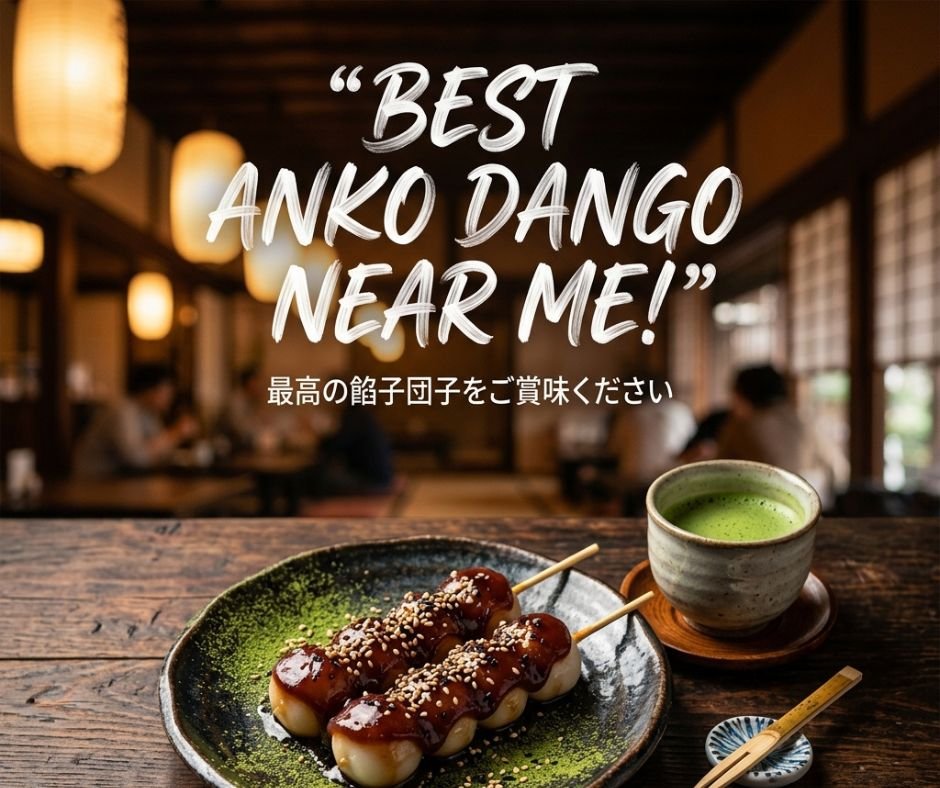
A few avoidable habits are responsible for most failed searches. Searching only the exact phrase “anko dango” is the biggest one, since many shops list the item under a general “dango” or “wagashi” heading instead. Skipping Asian grocery stores is another common miss — shoppers often assume these stores only sell packaged snacks, when many carry fresh or frozen dango in a refrigerated bakery section.
It’s also easy to assume any dessert labeled “dango” automatically contains anko, when mitarashi (soy glaze) is just as common and tastes completely different. Finally, don’t ignore freshness dates on packaged versions; dango has a short shelf life, and a stale dumpling will give you a misleading impression of what the dessert is actually supposed to taste like.
Frequently Asked Questions
What is anko dango made of?
Anko dango consists of two main components: chewy dumplings made from glutinous rice flour (mochiko), and anko, a sweetened paste made from cooked azuki red beans. The dumplings are shaped into small balls, skewered, and then coated, dipped, or paired with the red bean paste.
Is anko dango sweet?
Yes, but only mildly compared to most Western desserts. The red bean paste carries a gentle sweetness with an earthy, nutty undertone, while the rice dumplings themselves are largely flavor-neutral.
How much does anko dango usually cost?
A single skewer typically runs $2 to $4, while boxed sets or dessert platters can range from $6 to $18 depending on portion size and whether the shop makes the dango fresh in-house.
Where can I buy authentic anko dango in the US?
Your best options are dedicated Japanese bakeries, mochi shops, and cafes in cities with strong Japanese communities, along with Asian grocery chains like Mitsuwa, Nijiya, and H Mart, which often stock fresh or frozen versions.
Can I order anko dango for delivery?
Local delivery through apps like DoorDash or Uber Eats is possible if a nearby Japanese restaurant offers it, though availability depends heavily on your city. Long-distance shipping is uncommon for fresh dango due to its short shelf life, though frozen versions from specialty online grocers ship more reliably.
Final Thoughts
Tracking down real anko dango in the US takes a bit more effort than searching a single phrase, but it’s far from impossible once you know where to look. Start with Japanese bakeries and Asian grocery stores in your area, broaden your search terms beyond the exact dessert name, and don’t overlook customer photos when a menu description falls short. And if nothing turns up nearby, a frozen version from a specialty grocer — or a homemade batch using mochiko and store-bought anko — will get you remarkably close to the real thing.

Welcome to DishVanta! I’m Jhone, a passionate content writer with 1 years of experience in SEO, digital content, and website growth. I create engaging, search-friendly content that helps websites attract more visitors and build a stronger online presence. My aim is to make SEO, content creation, and web design simple, practical, and effective. Let’s work together to create better content, grow your audience, and achieve lasting online success!