
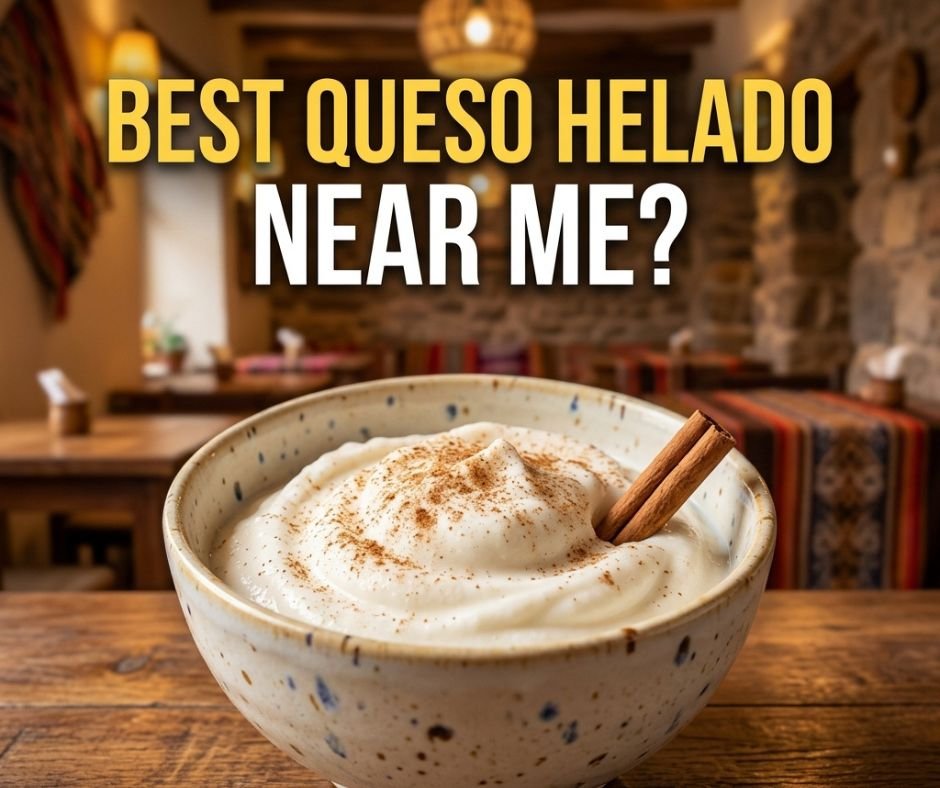

If you’ve ever scrolled past a photo of queso helado and wondered where to try it yourself, you’re not alone. This traditional Peruvian dessert has quietly built a devoted following across the United States, especially in cities with strong Peruvian communities.
Finding the best queso helado near me isn’t always as simple as searching for “ice cream shop,” though, since this dessert rarely shows up on mainstream menus. This guide walks you through what queso helado actually is, how to spot the real thing, and where you’re most likely to find it fresh, authentic, and worth the trip.
What Is Queso Helado? Understanding Peru’s Iconic Frozen Dessert
Despite its name, queso helado doesn’t actually contain cheese. The name translates to “frozen cheese” in Spanish, and it earned that nickname because of its appearance rather than its ingredients. Traditional preparation methods leave the dessert with a dense, slightly grainy texture and a pale white color that closely resembles a wheel of fresh cheese, which is exactly where the confusion (and the charm) comes from.
At its core, queso helado is a frozen milk dessert made from a blend of milk, sugar, and warm spices like cinnamon. It’s not churned the same way commercial ice cream is, so the final product has a creamy texture that’s noticeably different from anything you’d find in a typical grocery freezer aisle. For anyone new to Peruvian cuisine, this dessert is often the first real introduction to how distinct and flavorful Peru’s culinary traditions can be.
The Origin and History of Queso Helado
Queso helado carries deep roots in Peruvian culinary tradition, and its story says a lot about how regional desserts often become national icons. Long before industrial refrigeration existed, Peruvian vendors relied on ice harvested from nearby mountains to keep their frozen treats cold, which shaped both the texture and the way the dessert was traditionally sold by hand, in the streets, from small carts.
How Arequipa Became the Birthplace of Queso Helado
Arequipa Peru, a city known for its rich food culture, is widely credited as the birthplace of this dessert. Vendors in Arequipa historically churned the mixture by hand in wooden barrels packed with ice and salt, a labor-intensive process that produced the dessert’s signature dense consistency. Over time, the recipe spread throughout Peru and eventually made its way into Peruvian communities across the United States, where it’s now served at cultural festivals, family gatherings, and specialty dessert shops.
What Does Authentic Queso Helado Taste Like?
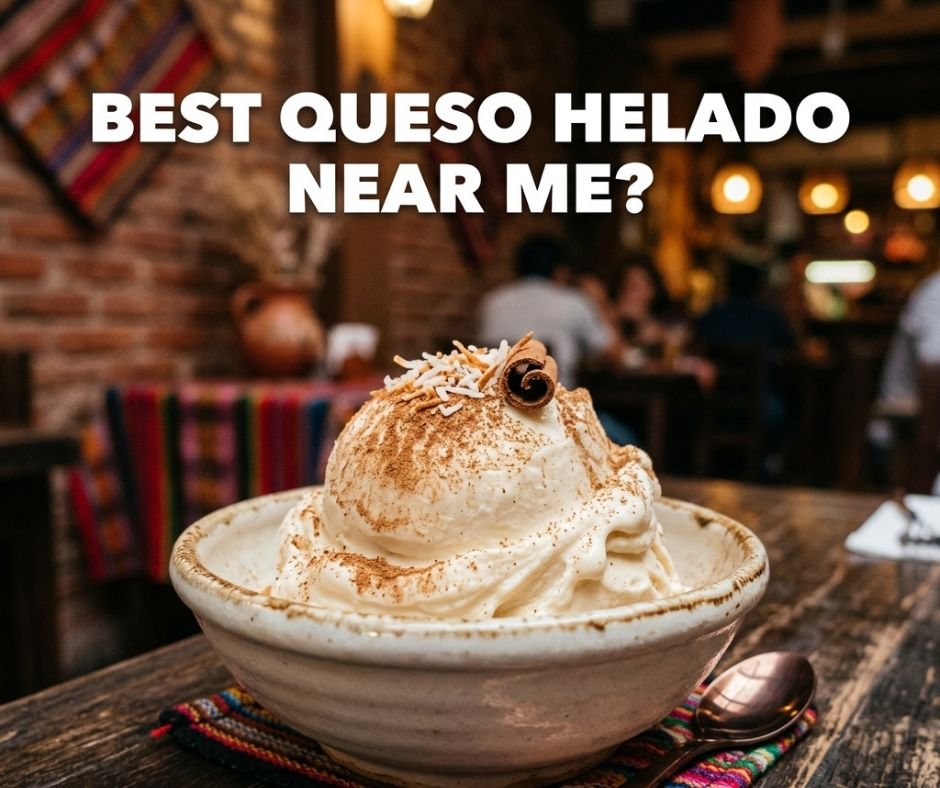
Authentic queso helado delivers a flavor profile that’s warm, sweet, and slightly spiced rather than purely sugary. The dominant notes come from ground cinnamon and sometimes a hint of vanilla, which give the dessert a comforting, almost dessert-spice-cake quality that pairs beautifully with its cold, creamy base. Unlike fruit-forward ice creams, queso helado leans into simplicity, letting the vanilla and cinnamon combination do most of the work.
Texture matters just as much as flavor here. A well-made batch should feel sweet and refreshing on the palate, with a slightly icy, granular bite that’s intentional rather than a sign of poor quality. If you’re used to ultra-smooth commercial ice cream, this texture might surprise you at first. However, that grainy consistency is actually one of the clearest signs you’re eating something made using traditional preparation rather than a shortcut version.
Traditional Ingredients and How Queso Helado Is Made
The ingredient list for queso helado is short, but every component plays a specific role in creating its signature taste and texture. Traditional recipes rely on evaporated milk and condensed milk as the dairy base, combined with sugar, cinnamon sticks, and sometimes shredded coconut or coconut milk for added richness. Some regional variations include lime zest or cloves, though cinnamon remains the defining flavor across nearly every version.
Step-by-Step: The Traditional Queso Helado Process
Making queso helado the traditional way takes patience, which is part of why authentic versions taste noticeably different from mass-produced imitations.
- Simmer the milk base. Evaporated milk, condensed milk, sugar, and cinnamon sticks are heated gently to infuse the spice flavor without scorching the dairy.
- Cool the mixture completely. The infused milk needs to reach room temperature before freezing begins, which prevents ice crystals from forming too quickly.
- Freeze in stages. The mixture is partially frozen, then scraped and re-frozen repeatedly to build the dense, slightly crumbly texture that sets queso helado apart from smooth ice cream.
- Hand-shape or mold. Traditional vendors shape the frozen dessert into a wheel or dome, reinforcing the “cheese wheel” appearance that gave the dessert its name.
- Serve fresh. Queso helado is typically scooped and served immediately, since it doesn’t hold texture well after repeated melting and refreezing.
This hands-on process is exactly why homemade queso helado and small-batch versions from dedicated vendors tend to taste more authentic than anything mass-produced.
How to Find the Best Queso Helado Near Me
Finding genuinely authentic queso helado takes a little more effort than typing a search term into your phone, mostly because this dessert isn’t as widely distributed as mainstream ice cream flavors. Start by searching specifically for Peruvian restaurants, bakeries, or dessert shops in your area rather than general ice cream parlors, since queso helado shops are far more likely to be Peru-focused establishments than generic dessert chains. Checking customer reviews and restaurant ratings on platforms like Google and Yelp can also help you filter out places that only sell it occasionally or as a limited seasonal item.
Signs You’ve Found an Authentic Vendor
A few consistent signals tend to separate authentic vendors from generic imitations. Look for a visibly dense, slightly grainy texture rather than a smooth, airy scoop, since that grainy quality reflects traditional preparation methods. Authentic vendors also tend to use fresh ingredients, list cinnamon and evaporated or condensed milk clearly, and often serve the dessert alongside other Peruvian menu items rather than as a standalone novelty flavor.
Questions to Ask Before You Buy
If you’re unsure whether a shop’s version is the real deal, a couple of quick questions can clear things up fast. Ask whether the dessert is made in-house or sourced from a supplier, since in-house preparation almost always signals a more authentic Peruvian dessert experience. It also helps to ask about the dessert portion size and whether it’s sold by the scoop or by the wheel, since pricing and presentation can vary significantly between vendors.
Where to Find Authentic Queso Helado in the USA
Queso helado tends to cluster around cities and neighborhoods with established Peruvian populations, which makes location-specific searching far more effective than a generic nationwide search.
Peruvian Restaurants and Bakeries
Sit-down Peruvian restaurants and dedicated bakeries are usually your most reliable option for dine-in dessert service. These establishments typically prepare queso helado using family recipes passed down through generations, and staff can usually tell you exactly how the dessert was made that day. Cities like Los Angeles, Miami, New York, Paterson (New Jersey), and Washington D.C. all have notable Peruvian dining scenes worth exploring if you’re serious about finding the real thing.
Food Trucks, Carts, and Local Markets
Peruvian food trucks, street carts, and weekend markets often carry queso helado as a specialty item, particularly during warmer months or cultural festivals. These vendors frequently prioritize traditional recipe methods over convenience, since their customer base tends to expect authenticity above all else. Checking local event calendars for Peruvian festivals or Latin American food markets in your city can lead you straight to some of the freshest, most authentic options available.
Ordering Online or Having It Shipped
If there’s no Peruvian dessert shop near you, some specialty retailers and Latin American grocery services now offer queso helado delivery or shipping to select areas. This option works well in a pinch, though shipped versions may not always match the texture and freshness of a freshly made batch from a specialty ice cream shop. When ordering online, check reviews carefully and confirm the retailer uses traditional ingredients rather than substitutes designed purely for shelf stability.
Queso Helado vs Regular Ice Cream: What’s the Difference?
Understanding how queso helado differs from standard ice cream helps set the right expectations before your first taste.
| Feature | Queso Helado | Regular Ice Cream |
| Base ingredients | Evaporated milk, condensed milk, cinnamon | Cream, milk, sugar, various flavorings |
| Texture | Dense, slightly grainy | Smooth, airy |
| Churning method | Hand-churned in stages | Continuously churned |
| Primary flavor | Cinnamon and vanilla | Wide flavor variety |
| Cultural origin | Arequipa, Peru | Multiple global origins |
| Common serving style | Scooped from a wheel shape | Scooped from a tub |
This comparison highlights why treating queso helado as “just another ice cream flavor” undersells what makes it special. The texture and preparation method are just as important to the experience as the taste itself.
Best Ways to Enjoy Queso Helado
Queso helado works well on its own, but pairing it thoughtfully can elevate the experience even further. Many Peruvian restaurants serve it alongside picarones, a Peruvian-style fried dough, or after a savory meal featuring dishes like lomo saltado, since the cinnamon flavor balances rich, savory food nicely. A small scoop after dinner also pairs surprisingly well with a cup of coffee, echoing the way cinnamon desserts are traditionally served across much of Latin America.
For a more casual approach, queso helado makes a great warm-weather treat on its own, especially at outdoor Peruvian festivals or family gatherings where it’s often served in small paper cups for easy sampling. If you’re trying it for the first time, resist the urge to compare it directly to vanilla or cinnamon ice cream. Approaching it as its own unique ice cream flavor experience will help you appreciate the texture and spice balance on its own terms.
Common Mistakes to Avoid When Buying or Trying Queso Helado
A few avoidable mistakes can lead to disappointment, especially for first-time buyers unfamiliar with what authentic queso helado should look and taste like.
- Assuming it contains cheese. The name is misleading, and skipping the dessert based on that assumption means missing out on something genuinely delicious.
- Expecting smooth, airy texture. A grainy, dense consistency is normal and expected, not a sign of a bad batch.
- Buying from shops with vague ingredient lists. If a vendor can’t tell you what’s in it, that’s often a sign you’re getting an imitation rather than an authentic Peruvian dessert.
- Letting it sit out too long. Queso helado melts and loses texture faster than standard ice cream, so it’s best enjoyed shortly after it’s served.
- Overpaying without comparing options. Prices vary by region and vendor type, so it’s worth checking a couple of nearby dessert places before settling on one, especially if cost matters to you.
Avoiding these missteps makes it far more likely that your first (or next) queso helado experience actually reflects the dessert’s traditional character.
Frequently Asked Questions
Is queso helado actually made with cheese?
No, queso helado does not contain any cheese. The name comes from its appearance and texture, which resemble a wheel of fresh cheese, not from any dairy product beyond milk.
Where did queso helado originate?
Queso helado originated in Arequipa, Peru, where vendors traditionally hand-churned the dessert using ice and salt long before modern refrigeration was available.
What does queso helado taste like?
It has a warm, cinnamon-forward flavor with subtle vanilla notes, paired with a dense, slightly grainy texture that’s distinct from smooth commercial ice cream.
Is queso helado the same as ice cream?
Not exactly. While both are frozen dairy desserts, queso helado uses a different preparation method and ingredient base, resulting in a denser texture and a more specific, spice-driven flavor profile.
What ingredients are in queso helado?
Traditional recipes use evaporated milk, condensed milk, sugar, and cinnamon, with some variations adding coconut milk or lime zest for extra depth.
Final Thoughts
Tracking down authentic queso helado takes a bit more intention than searching for standard ice cream, but the payoff is worth it. Focus your search on Peruvian restaurants, bakeries, food trucks, and local markets rather than mainstream dessert chains, and don’t hesitate to ask vendors directly about their ingredients and preparation methods. Once you find a spot that gets the texture, spice balance, and freshness right, you’ll understand exactly why this humble Peruvian dessert has earned such a loyal following far beyond its home country.

Welcome to DishVanta! I’m Jhone, a passionate content writer with 1 years of experience in SEO, digital content, and website growth. I create engaging, search-friendly content that helps websites attract more visitors and build a stronger online presence. My aim is to make SEO, content creation, and web design simple, practical, and effective. Let’s work together to create better content, grow your audience, and achieve lasting online success!