
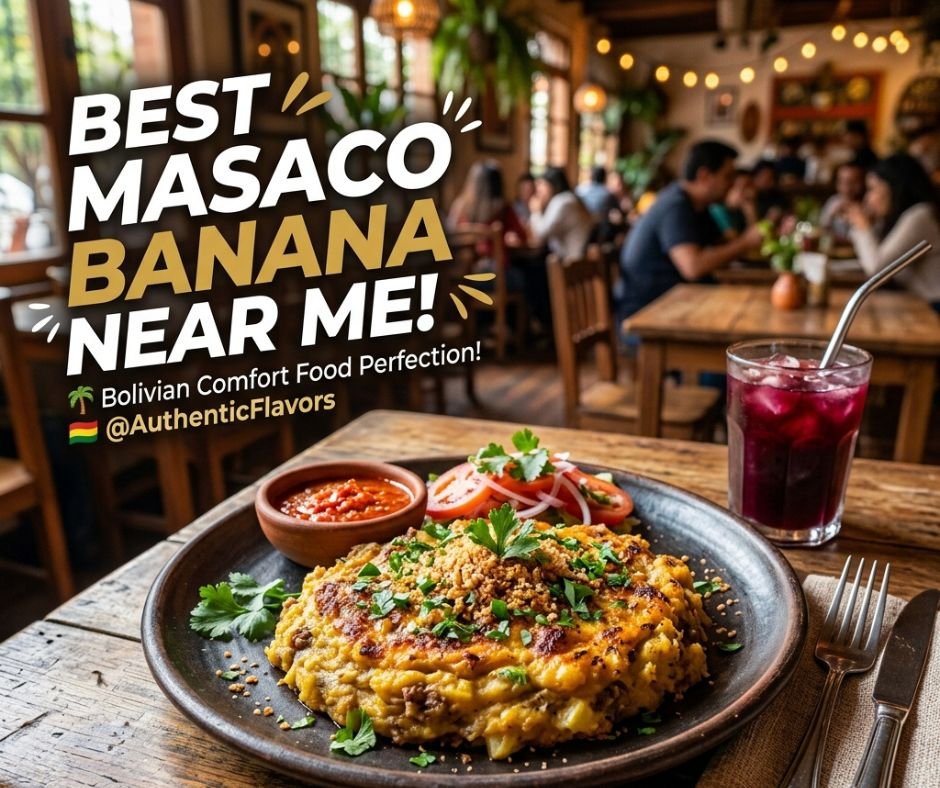

You saw the words “masaco banana” on a menu and stopped scrolling. Maybe a friend mentioned it after a trip to Bolivia. Maybe a short video showed someone mashing plantains in a wooden bowl. Either way, you are now searching for the best masaco banana near me, and you want the real thing, not a rushed copy.
This dish is quiet compared to tacos or empanadas. It does not shout for attention on American menus. But once you taste it, you understand why people drive across town for it. This guide walks you through what masaco banana actually is, what it should taste like, and how to track down authentic masaco banana wherever you live in the United States.
What Is Masaco Banana and Why Is It Popular?
Masaco banana comes from the lowlands of eastern Bolivia. It is tied closely to the Beni and Santa Cruz regions, where bananas and plantains grow everywhere. Families in Santa Cruz Bolivia have made this dish for generations. Cooks boil or fry ripe bananas or green plantains, then mash them by hand in a wooden mortar called a tacu. That hand-mashing gives the dish its rustic, chunky feel. It is a Bolivian traditional dish, and it carries real history in every bite.
Interest in this food has grown steadily across the United States. Latin American communities have expanded in cities like Miami, Washington D.C., and parts of Virginia. Food videos on social media introduced curious eaters to traditional Bolivian food they had never heard of before. Once people search “masaco banana near me” and actually find a plate of it, they usually come back. It fills you up, it feels homemade, and it tastes unlike anything else on a typical Latin American restaurant menu.
What Does Authentic Masaco Banana Taste Like?
Do not expect a dessert. That is the biggest surprise for first-time eaters. Masaco banana leans savory, even though the name includes “banana.” The natural sweetness of the fruit sits underneath a layer of melted cheese, butter, or smoky dried meat. A well-made batch smells rich and slightly smoky. The texture stays soft, a little chunky, and never gluey or pasty like mashed potatoes gone wrong.
Cheese masaco tastes creamy and mild, comforting in the way a good grilled cheese is comforting. Pork masaco, made with dried meat called charque or pork cracklings, brings a deeper, smokier flavor and a crispy texture in places. A food writer who tried it in Santa Cruz described it simply: “It tastes like someone’s grandmother made it just for you.” That warmth is exactly what makes authentic masaco banana so memorable, and exactly what a rushed imitation almost always misses.
Sweet vs. Savory — Setting Expectations
Think of mashed plantains you may have had at a Caribbean or Cuban restaurant, then imagine that base mixed with cheese instead of sugar. That comparison helps most newcomers understand the dish faster. Masaco de plátano is a plantain dish built for comfort, not for a sweet tooth, and knowing that before your first bite changes the whole experience.
Where to Find the Best Masaco Banana Near Me
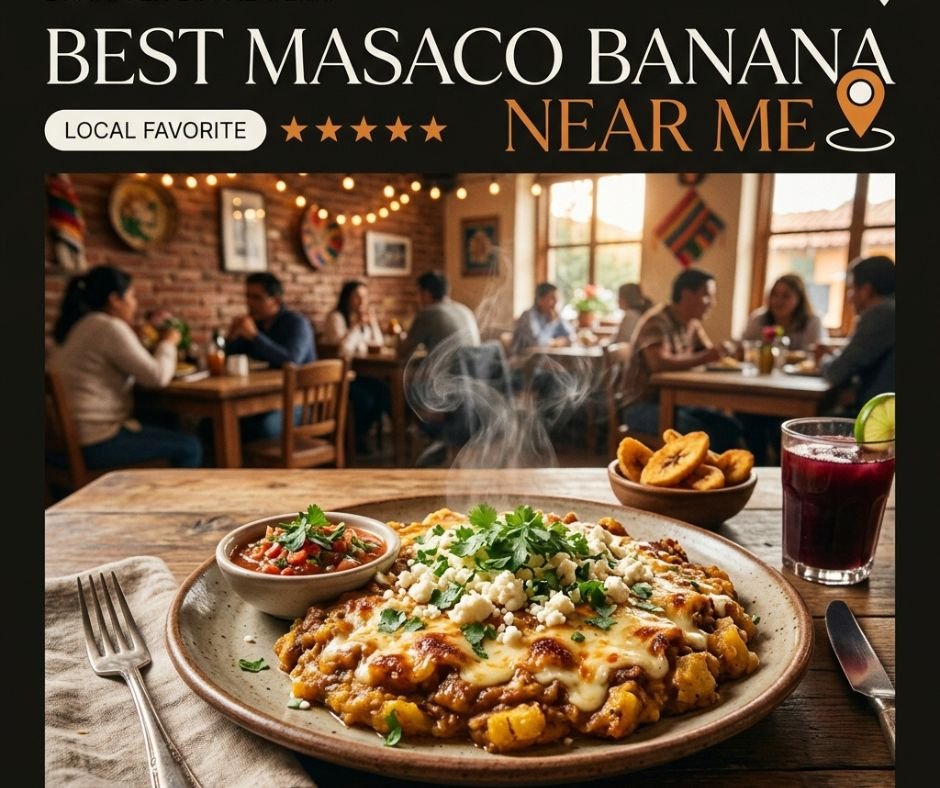
Your best chance of finding real masaco banana starts with Bolivian masaco specialists rather than general Latin American spots. A local Bolivian restaurant that focuses on Amazonian or lowland cooking, instead of only Andean dishes like salteñas or pique macho, tends to understand this dish on a deeper level. Search directly for “masaco restaurant near me” instead of a broad term like “Latin food,” since generic searches often bury small Bolivian kitchens under bigger, more advertised restaurants.
Weekend markets, cultural festivals, and Bolivian community events are underrated sources for masaco nearby. Home cooks often sell homemade masaco at these gatherings, and it frequently beats what you find at a sit-down restaurant. Food trucks tied to Bolivian owners sometimes carry it too, though usually as a rotating special rather than a daily menu item. Checking customer reviews that specifically mention masaco, not just star ratings, saves you a wasted trip.
How to Find Authentic Masaco Banana Restaurants Nearby
Start with a map app and search “Bolivian restaurant” instead of “banana dish,” since most places will not list masaco directly in their business name. Filter results by recent activity and check photos uploaded by other diners. A kitchen serving fresh masaco usually has recent photos showing the pale yellow color and soft, mounded shape that authentic versions carry.
Community groups matter more than people expect. Bolivian expat groups on Facebook or Reddit often share which nearby restaurants actually make it right, and which ones only put it on the menu for show. Calling ahead helps too, since many kitchens treat masaco as a special rather than an everyday item. Ask directly: “Do you have masaco banana today, and is it made with charque or cheese?” That one question filters out places that do not really know the dish.
What to Look for When Choosing the Best Masaco Banana
Texture tells you almost everything. Authentic flavor comes from bananas that were mashed by hand, not blended into a smooth paste. Good masaco looks slightly chunky, pale yellow, and glossy from butter or cheese. If a plate looks perfectly smooth like baby food, it likely skipped the traditional method. Color matters too. Overly brown or gray masaco usually means the bananas sat too long before cooking, which dulls both flavor and texture.
The table below breaks down what separates a strong plate from a weak one.
| What to Check | Authentic Masaco Banana | Poor Imitation |
| Texture | Slightly chunky, hand-mashed | Perfectly smooth, blended |
| Color | Pale yellow | Gray or overly browned |
| Aroma | Smoky or buttery | Flat, little smell |
| Menu wording | Mentions tacu, charque, or Beni-style | Vague “Bolivian banana dish” |
| Serving temperature | Served warm | Served cold or reheated poorly |
Menu language is a small but useful clue. A kitchen that mentions the tacu, charque, or the Beni region on its restaurant menu usually understands the traditional preparation behind the dish, since those are not terms a generic kitchen would casually use.
Best Ingredients Used in Traditional Masaco Banana
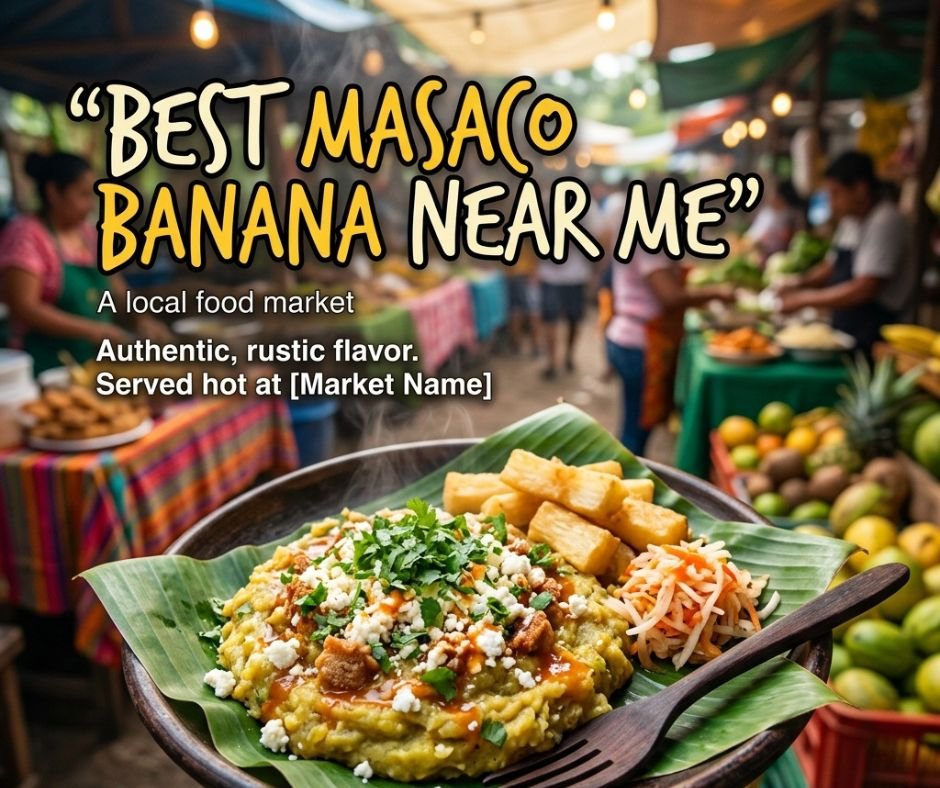
Traditional masaco relies on very few ingredients, which means each one has to be good. Ripe plantains or ripe bananas form the base, and they need real sweetness, not a bland, starchy bite. Butter and fresh cheese add richness, while charque, a dried and salted meat, brings smoky depth. Some cooks swap in fried pork or pork cracklings for a crunchier bite alongside the soft mash. These are the masaco ingredients that separate a forgettable plate from a memorable one.
A nearby cousin dish uses cassava instead of banana, following the same traditional recipe structure but with a starchier, denser result. Both versions depend entirely on fresh ingredients, since there is no heavy sauce or seasoning blend to hide a weak base. A cook in Santa Cruz once put it plainly: “You cannot fix bad bananas with good cheese.” That single sentence sums up why authentic ingredients matter more here than in almost any other Bolivian dish.
Masaco Banana With Different Toppings and Variations
Cheese masaco stays the most common version across Bolivian households and restaurants alike, prized for its melted cheese center and mild, comforting flavor. Pork masaco, built around charque or crispy pork bits, appeals to eaters who want a smokier, heartier plate. A few modern kitchens in the United States have started experimenting further, adding light spice blends or swapping in different proteins while keeping the traditional plantain recipe at the core.
Serving style changes the experience too. Some restaurants plate banana masaco as a simple side dish next to rice or salad. Others build it into a full meal with fried plantains, yuca, or a fresh salsa on the side. Trying more than one version, ideally from more than one local food spot, helps you figure out which style actually fits your taste.
How Much Does Masaco Banana Cost Near Me?
Pricing for affordable masaco varies by city, restaurant type, and portion size. A side portion at a casual Bolivian kitchen generally sits in the $6 to $10 range, while a full plate served as a main course, often paired with rice or salad, can run closer to $12 to $18. Prices in larger cities with higher costs of living tend to sit at the top of that range.
Meat-based versions usually cost slightly more than cheese-only versions, since charque and quality dried meat cost more to source. Comparing freshly prepared food against portion size matters more than chasing the cheapest option on a menu, since a bigger cheap plate is not worth much if the bananas were not properly ripened.
Tips for Ordering the Best Masaco Banana Near Me
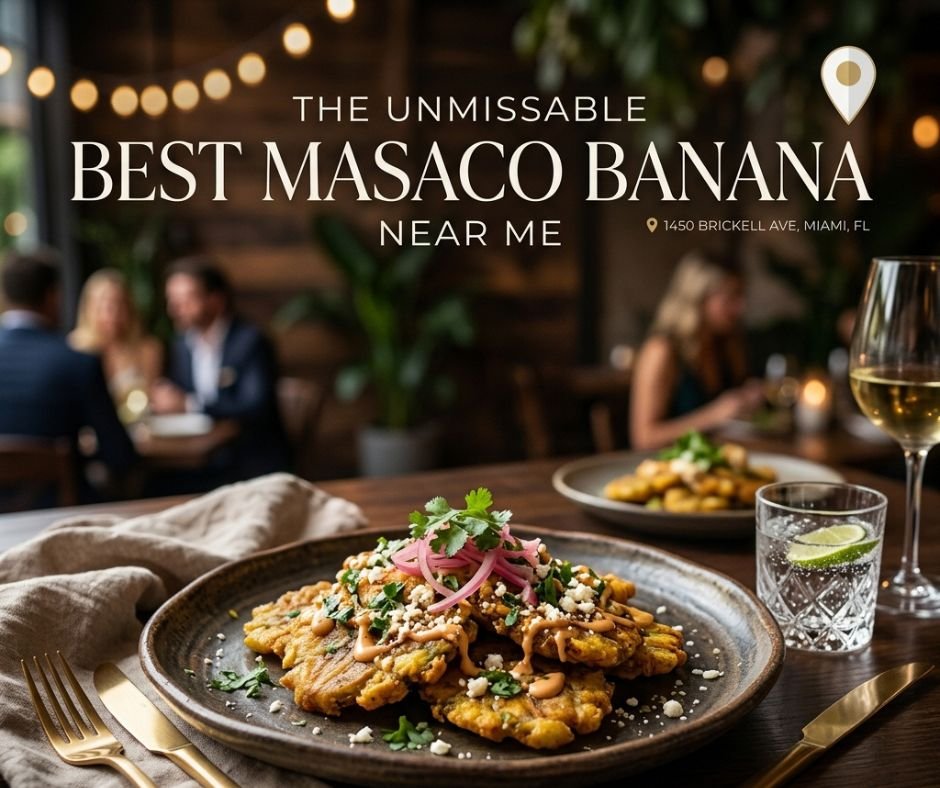
Ask your server whether the dish is made fresh to order or prepared earlier in the day, since freshly mashed bananas hold their texture and savory flavor far better than a batch sitting in a warm tray. If the kitchen offers both cheese and meat versions, request the charque-based option first if you want the most authentic Bolivian cuisine experience, since that version tends to reflect the original regional style most closely.
Pair your plate with a traditional Bolivian drink if the restaurant offers one, since a chilled fruit drink balances the richness of the dish nicely. First-timers do well ordering a smaller portion before committing to a full meal, simply to confirm the flavor matches their expectations. Many restaurants also offer food delivery for masaco now, though eating it fresh at the best place to eat it always delivers the better version of the dish.
FAQs
What is masaco banana?
Masaco banana is a traditional Bolivian dish made from mashed ripe bananas or plantains, mixed with butter, cheese, or dried meat. It comes from the eastern lowlands of Bolivia and is considered a regional specialty rather than an everyday restaurant item.
Where can I find masaco near me?
Search specifically for a local Bolivian restaurant rather than a general Latin American restaurant near me. Weekend markets, cultural festivals, and Bolivian community groups often point toward the freshest, most authentic masaco serving in your area.
Is masaco banana sweet or savory?
It leans savory overall, though the bananas underneath carry natural sweetness. The savory flavor from cheese, butter, or meat sits on top, which surprises most first-time eaters expecting a dessert.
What ingredients are used?
Ripe bananas or plantains form the base, mixed with butter, fresh cheese, and sometimes charque or pork cracklings. These simple, authentic ingredients are what give the dish its signature texture and taste.
Is masaco a Bolivian dish?
Yes. Masaco banana traces directly back to eastern Bolivia, especially the Beni and Santa Cruz regions, and remains one of the clearest examples of Bolivian cuisine built around bananas and plantains.
Final Thought
Masaco banana rewards a little patience. It is not on every corner, and it is not always easy to find outside a dedicated Bolivian kitchen. But once you find a best Bolivian restaurant that makes it the right way, warm, hand-mashed, and balanced between sweet and savory, you will understand exactly why people keep searching for it by name.

Welcome to DishVanta! I’m Jhone, a passionate content writer with 1 years of experience in SEO, digital content, and website growth. I create engaging, search-friendly content that helps websites attract more visitors and build a stronger online presence. My aim is to make SEO, content creation, and web design simple, practical, and effective. Let’s work together to create better content, grow your audience, and achieve lasting online success!



Good day! This is my 1st comment here so I just wanted to give a quick shout out and tell you I truly
enjoy reading your blog posts. Can you recommend any other blogs/websites/forums that go over the same subjects?
Thanks a ton!
Do you mind if I quote a couple of your articles as long as I provide
credit and sources back to your site? My blog site is in the exact same niche
as yours and my visitors would certainly benefit
from some of the information you provide here.
Please let me know if this okay with you. Regards!
Good day very nice website!! Man .. Beautiful ..
Amazing .. I will bookmark your web site and take the feeds also?
I am happy to find so many helpful information right here in the publish, we’d like develop more techniques on this regard,
thank you for sharing. . . . . .
you’re in reality a excellent webmaster. The site loading velocity is incredible.
It sort of feels that you are doing any distinctive trick.
Also, The contents are masterpiece. you’ve done a fantastic process
on this topic!