
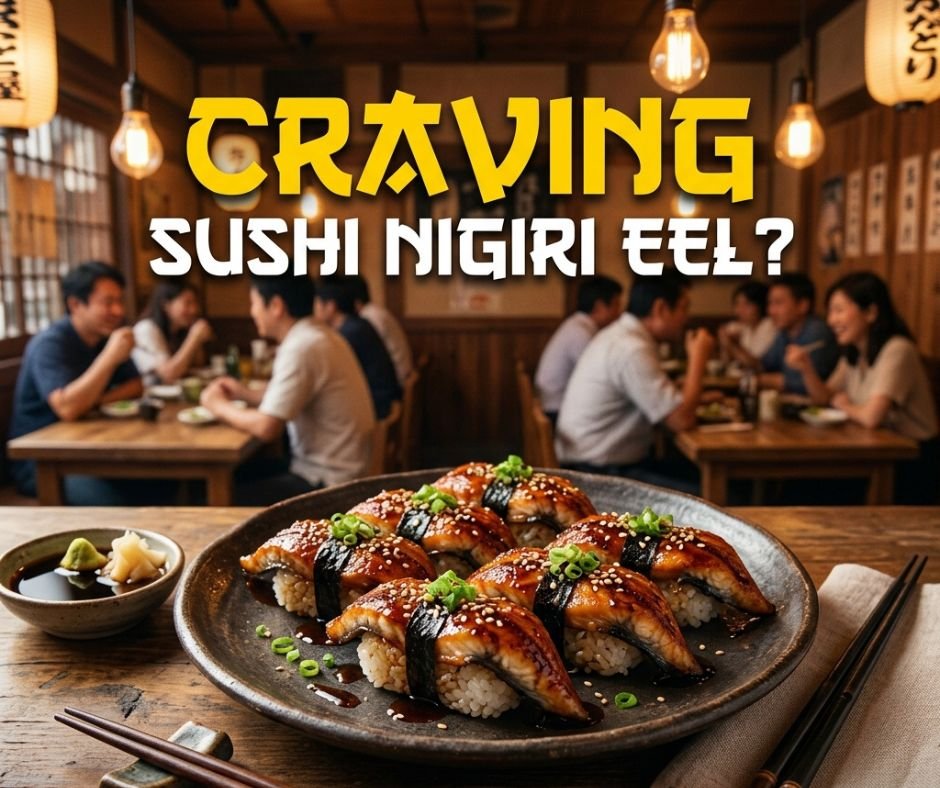

Craving something rich, smoky, and just a little sweet? If you’ve typed sushi nigiri eel near me into your phone more than once this month, you’re not alone. Eel nigiri has quietly become one of the most searched-for sushi orders in the country, and for good reason. It’s the rare piece of nigiri that tastes just as comforting as it does elegant. But not every sushi counter treats eel with the same care, and telling the difference between a soggy, over-sauced imitation and the real thing can be tricky if you don’t know what to look for.
This guide walks you through everything you need to know before your next order: what eel nigiri actually is, how to spot the authentic version, where sustainability fits into the picture in 2026, and how to find a genuinely good eel sushi near me without wasting a trip on a disappointing plate.
What Is Eel Nigiri Sushi? Understanding Unagi and Anago
Eel nigiri is a hand-pressed mound of seasoned sushi rice topped with a fillet of grilled eel, usually finished with a glossy, sweet-savory glaze. Unlike raw fish nigiri such as tuna or salmon, eel is always cooked before it reaches your plate, which makes it an easy entry point for sushi newcomers who feel hesitant about raw seafood. The eel is typically butterflied, deboned, skewered, and slow-grilled over an open flame before being basted repeatedly in sauce.
There are two eels you’ll encounter on a sushi menu near me search: unagi, the freshwater variety, and anago, its saltwater cousin. Both are prepared using similar grilled eel sushi techniques, but they diverge sharply in flavor, fat content, and price. Understanding this distinction is the first step toward ordering with confidence at any Japanese restaurant near me.
What Makes Eel Nigiri “Authentic” in 2026?
Authenticity in eel nigiri comes down to technique, not just ingredients. A restaurant that treats the dish as an afterthought will thaw a pre-sauced, mass-produced fillet and slap it onto rice. A kitchen committed to traditional nigiri sushi will grill fresh or properly sourced eel in-house, layer the glaze in stages, and finish it with a light torch for texture. That difference shows up immediately in flavor and mouthfeel.
Traditional Kabayaki Preparation vs. Americanized Shortcuts
The traditional method is called kabayaki: the eel is split open, deboned, skewered, and grilled without any coating first, then dipped in a sweet eel sauce made from mirin, soy sauce, sugar, and sometimes sake, and grilled again. This repeated basting builds layers of caramelized flavor. Americanized shortcuts often skip the repeated grilling and instead microwave or steam a pre-sauced, vacuum-sealed fillet, which produces a mushier texture and a flatter, one-note sweetness. If your nigiri tastes more like candy than eel, that’s usually the tell.
Signs a Restaurant Uses Real Tare Sauce, Not Bottled Substitutes
Authentic unagi sauce, known as tare, develops depth over time because many kitchens reuse and replenish the same base sauce for years, sometimes decades, letting it thicken and deepen in flavor. Bottled substitutes tend to taste uniformly sugary with a thinner, almost syrupy consistency. Look for a glaze that clings evenly to the eel without pooling excessively on the plate, and ask your server whether the sauce is house-made. A confident, specific answer is usually a good sign.
Unagi vs. Anago: Which Eel Sushi Should You Try?
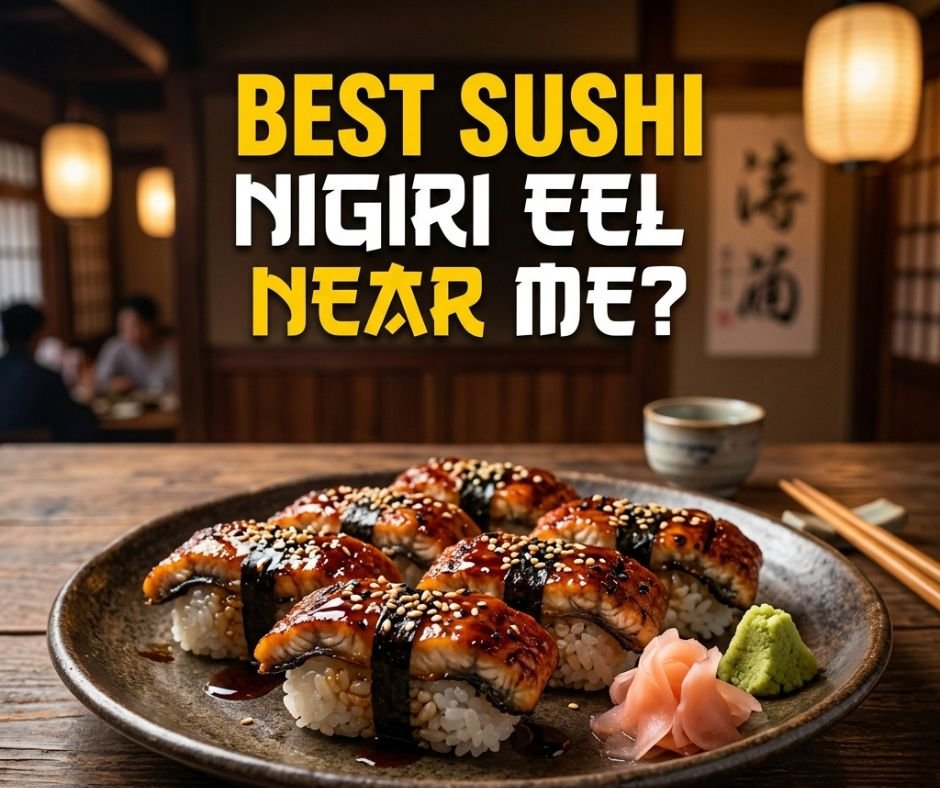
If you’re deciding between the two on a menu, the choice really comes down to what you’re in the mood for. Unagi delivers a heavier, fattier bite with a pronounced smoky char, making it the more indulgent option. Anago, by contrast, is leaner and more delicate, often served slightly warm with a lighter glaze that lets the eel’s natural sweetness come through.
| Feature | Unagi (Freshwater Eel) | Anago (Saltwater Eel) |
| Fat content | High | Lower |
| Flavor | Rich, smoky, bold | Light, subtly sweet |
| Texture | Dense, meaty | Soft, tender |
| Typical price | Higher | Slightly lower |
| Best for | First-timers who want bold flavor | Diners who prefer delicate seafood |
Neither is objectively better. Many regular sushi-goers order both side by side just to compare the contrast in a single sitting.
What Does Eel Nigiri Taste Like? Flavor, Texture, and Sauce Explained
The first thing you’ll notice is the sweet savory eel sauce coating the fish, which balances caramel-like sugar notes against the umami depth of soy. Underneath that glaze, properly grilled eel has a tender grilled eel texture that’s almost custardy, giving way easily without falling apart. There’s also a faint smoky eel flavor from the open-flame grilling that lingers pleasantly after the sweetness fades.
Texture matters just as much as taste here. Good eel nigiri should feel soft but structured, never mushy or stringy. If the piece falls apart the moment your chopsticks touch it, that’s usually a sign it was overcooked, over-steamed, or sitting too long before being served. A well-made piece holds together just long enough to deliver that satisfying, almost buttery bite.
How to Find Authentic Sushi Nigiri Eel Near Me
Finding a genuinely good spot takes a little more effort than scrolling the first three results on your map app, but it’s worth the extra five minutes.
- Search with specific terms. Instead of a generic “sushi near me,” try “unagi nigiri near me” or “authentic Japanese sushi near me” to filter out casual fusion spots.
- Filter reviews by keyword. Most review platforms let you search within reviews. Type “unagi” or “eel” directly into the review search bar to see what other diners specifically said about that dish.
- Check photos, not just star ratings. A 4.5-star average means little if the eel photos look pale, dry, or drowning in sauce.
- Call ahead if you’re unsure. Ask whether the eel is grilled in-house and whether both unagi and anago are available; a kitchen that offers both usually takes the dish seriously.
Questions to Ask Before Ordering (Sourcing, Freshness, Preparation Style)
A quick conversation with your server can save you from a mediocre meal. Ask where the eel is sourced from, whether it’s grilled fresh or reheated from frozen, and whether the sauce is made in-house. Staff at a quality sushi restaurant will usually answer these questions without hesitation, while a vague or rehearsed response is worth noting.
How to Choose Fresh, High-Quality Eel Nigiri
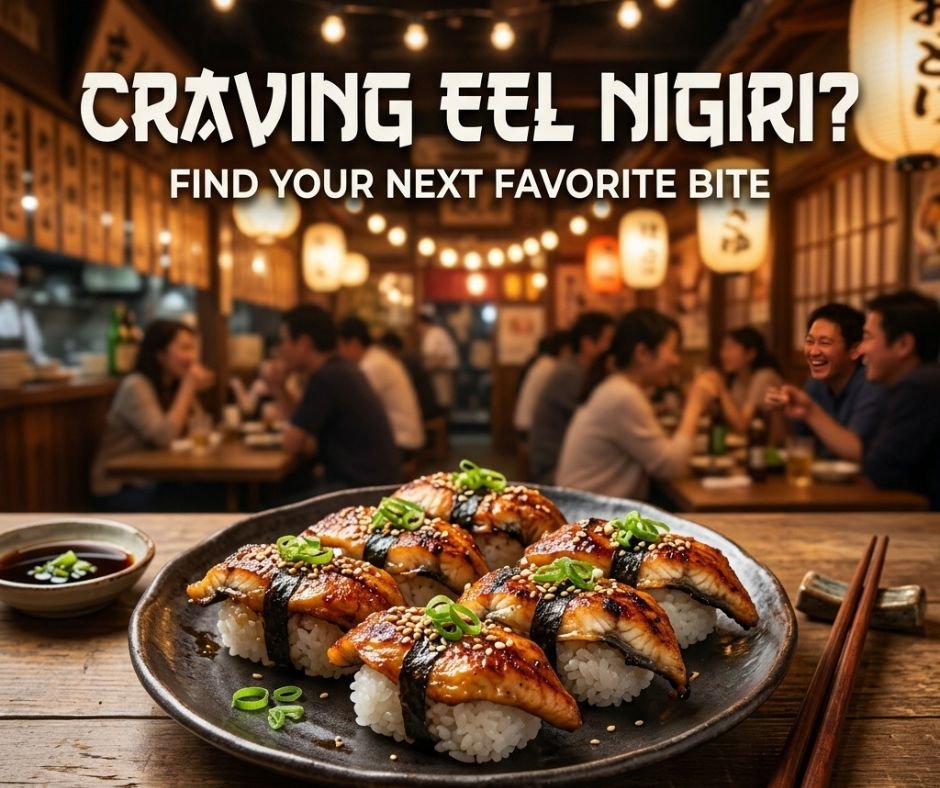
Once your plate arrives, a few visual cues tell you almost everything you need to know. The eel should have a deep mahogany-brown color from the grilling and glaze, not a flat, uniform brown that suggests it came straight from a bag. The surface should look slightly glossy rather than wet or watery, and the rice underneath should hold its shape without being compressed or falling apart.
Freshness also shows up in smell and temperature. Good eel nigiri often arrives slightly warm, since many kitchens lightly torch or steam the fish just before plating to restore that just-grilled quality. If the piece feels cold and rubbery, or if the sauce smells overly artificial rather than caramelized, it’s likely been sitting prepped for a while. A restaurant that takes pride in its premium nigiri offerings will rarely let that happen.
Eel Sustainability and Availability: What to Know in 2026
Eel scarcity isn’t a marketing buzzword; it’s a real supply issue shaping menus and prices across the country right now. Japan listed its native freshwater eel, Anguilla japonica, as endangered after populations dropped sharply over recent decades, and the species still cannot be commercially bred in captivity, meaning nearly all farmed unagi starts from wild-caught glass eels. <cite index=”4-1″>Japan consumes roughly 70 percent of the world’s freshwater eel supply</cite>, and rising global demand combined with shrinking wild populations has pushed prices upward and made sourcing more competitive for U.S. restaurants.
This scarcity has real consequences close to home. <cite index=”1-1″>A land-based eel farm in Maine called American Unagi, which grew Maine-harvested glass eels to market size for sale to wholesalers and sushi restaurants, recently shuttered its operations</cite>, underscoring how fragile domestic supply chains for Japanese eel can be. Efforts to add international trade protections for eel species have also faced pushback from major consuming nations. <cite index=”3-1″>Proposals for new CITES restrictions on eel trade were defeated, with Japan and the United States among the countries opposing them</cite>. Practically speaking, this means you may notice higher prices, occasional menu substitutions toward anago, or restaurants highlighting sustainably farmed sourcing as a selling point. Choosing restaurants that are transparent about where their eel comes from is a small but meaningful way to support more responsible sourcing.
Eel Nigiri vs. Other Popular Nigiri Sushi
Eel nigiri holds a distinct place on the menu because it’s cooked, sauced, and richer than most raw options. Comparing it to other staples helps you decide what fits your mood.
| Nigiri Type | Cooked or Raw | Flavor Profile | Typical Texture |
| Eel (Unagi/Anago) | Cooked | Sweet, smoky, savory | Tender, soft |
| Salmon nigiri | Raw | Buttery, mild | Silky |
| Tuna nigiri | Raw | Clean, slightly briny | Firm |
| Shrimp nigiri | Cooked | Mild, slightly sweet | Firm, snappy |
| Yellowtail | Raw | Rich, buttery | Smooth |
If you enjoy bolder, sauce-forward flavors, eel is a natural gateway into sushi even if raw fish isn’t your thing yet.
Eel Nigiri Sushi Menu Options and Current Prices Near You
Pricing for eel nigiri varies noticeably depending on region, restaurant tier, and whether you’re ordering unagi or anago. As a general guide for 2026, expect the following ranges at typical U.S. sushi restaurants:
- Two-piece unagi nigiri: roughly $6 to $10
- Two-piece anago nigiri: roughly $5 to $8
- Unagi roll (6–8 pieces): roughly $8 to $14
- Unagi don (eel over rice bowl): roughly $18 to $28
- Combo platters including eel nigiri: roughly $22 to $40 depending on portion size
Upscale omakase counters and specialty Japanese restaurants tend to sit at the higher end of these ranges, partly reflecting the sourcing and sustainability pressures discussed above. Casual sushi spots and grocery store sushi counters typically land closer to the lower end, though quality can vary widely at that price point.
What to Order With Eel Nigiri Sushi
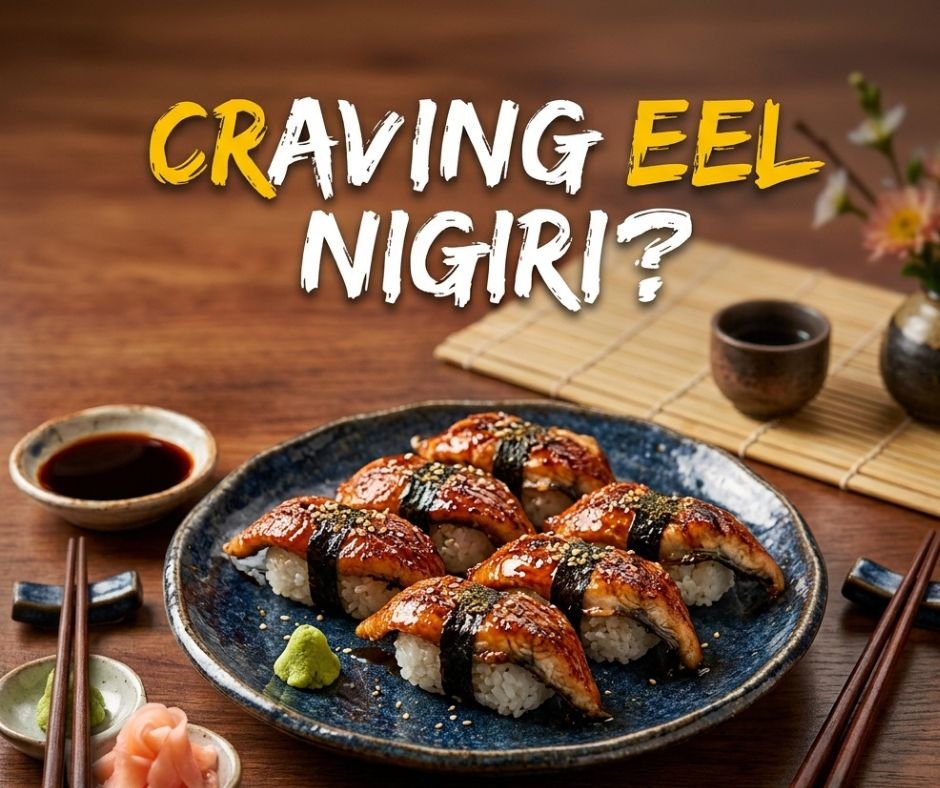
Eel’s sweetness pairs best with lighter, cleaner flavors that don’t compete for attention. A simple miso soup or a bowl of edamame works well as a starter, while a cucumber roll on the side helps cut through the richness of the glaze between bites. If you’re ordering a full nigiri platter, pairing eel alongside something leaner like tuna or yellowtail creates a nice contrast in both texture and flavor.
On the beverage side, a light, slightly dry sake complements the sweetness of the eel sauce without overwhelming it, and unsweetened green tea works as a reliable palate cleanser throughout the meal. As for wasabi and soy sauce, most eel nigiri arrives pre-glazed and doesn’t need either; dipping it in soy sauce can actually mute the delicate balance the chef already built into the tare. A small bit of pickled ginger between courses, rather than on the nigiri itself, is the more traditional approach.
Eel Nigiri Delivery, Takeout, and Dine-In Options Near Me
Eel nigiri is genuinely one of the more delivery-friendly sushi orders, since it’s cooked and less texturally fragile than raw fish. That said, quality can still slip if it’s not packaged thoughtfully. Dine-in remains the gold standard if you want the eel served warm, freshly torched, with rice that hasn’t had time to firm up in the fridge or a to-go container.
Best Practices for Ordering Eel Nigiri for Delivery Without Losing Quality
Order from restaurants located close by to minimize transit time, and ask whether they pack sauce separately to prevent soggy rice on arrival. If possible, request that the eel be lightly torched right before packaging rather than pulled from a pre-made batch. Reheating gently for a few seconds, rather than microwaving on high, helps restore a bit of the original warmth and texture once it arrives at your door.
Common Mistakes to Avoid When Ordering Eel Nigiri
A few small missteps can take an otherwise great piece of eel nigiri and make it less enjoyable. Here’s what to watch for:
- Drowning it in soy sauce. The tare glaze is already seasoned; dunking it further usually overwhelms the natural sweetness.
- Adding wasabi automatically. Eel nigiri rarely needs it, and many chefs consider it unnecessary or even slightly disrespectful to the dish’s intended balance.
- Ignoring sourcing questions. If you have shellfish or fish allergies, always confirm preparation details, since eel is sometimes grilled on shared equipment.
- Ordering from a place with no eel-specific reviews. A restaurant can be great at rolls and still handle eel poorly if it’s not a specialty.
- Assuming cheaper always means lower quality. Some smaller, family-run spots serve excellent eel at modest prices simply because they haven’t marked up for ambiance.
Is Eel Nigiri Healthy? Nutrition, Calories, and Dietary Considerations
Eel is a solid source of protein and contains beneficial omega-3 fatty acids, along with vitamins A and B12. That said, it’s also one of the fattier fish options on a sushi menu, and the tare sauce adds a meaningful amount of sugar and sodium, so it’s not the lightest choice if you’re watching either closely. A typical two-piece serving generally falls in a moderate calorie range compared to leaner raw fish nigiri like tuna, largely due to the sauce and the eel’s natural fat content.
If you’re managing sodium intake, be aware that the glaze is a soy-based reduction, which can add up quickly across multiple pieces. People with fish or shellfish allergies should always confirm preparation details, since eel is occasionally prepared near other seafood, and cross-contact is possible even with a cooked item. As with most indulgent sushi choices, eel nigiri fits comfortably into a balanced diet when enjoyed in reasonable portions rather than as the entire meal.
FAQs
What is eel nigiri?
Eel nigiri is a piece of hand-formed sushi rice topped with grilled eel, typically finished with a sweet soy-based glaze called tare.
Is eel nigiri cooked?
Yes, always. Raw eel blood contains a toxin, so it’s cooked, usually grilled, before it’s ever served.
Is unagi the same as eel?
Unagi specifically refers to freshwater eel. Eel as a broader category also includes anago, the saltwater variety, which has a lighter flavor and texture.
How much does eel nigiri cost in 2026?
Expect roughly $6 to $10 for two pieces of unagi nigiri at most U.S. sushi restaurants, with higher prices at upscale or omakase-style spots.
Is eel nigiri healthy?
It offers solid protein and omega-3s but tends to be higher in fat, sugar, and sodium than leaner raw fish nigiri, so moderation is worth keeping in mind.
Final Tips
The best eel nigiri comes down to a kitchen that respects the technique: fresh grilling, house-made sauce, and a texture that’s tender without falling apart. Next time you search for sushi nigiri eel near me, look past the star rating and dig into the reviews that specifically mention unagi or anago. Ask a quick question or two before you order, keep an eye on color and texture when the plate arrives, and don’t be afraid to try both freshwater and saltwater eel side by side to see which one wins you over. A little curiosity at the counter goes a long way toward turning an average sushi night into a genuinely memorable one.

Welcome to DishVanta! I’m Jhone, a passionate content writer with 1 years of experience in SEO, digital content, and website growth. I create engaging, search-friendly content that helps websites attract more visitors and build a stronger online presence. My aim is to make SEO, content creation, and web design simple, practical, and effective. Let’s work together to create better content, grow your audience, and achieve lasting online success!