
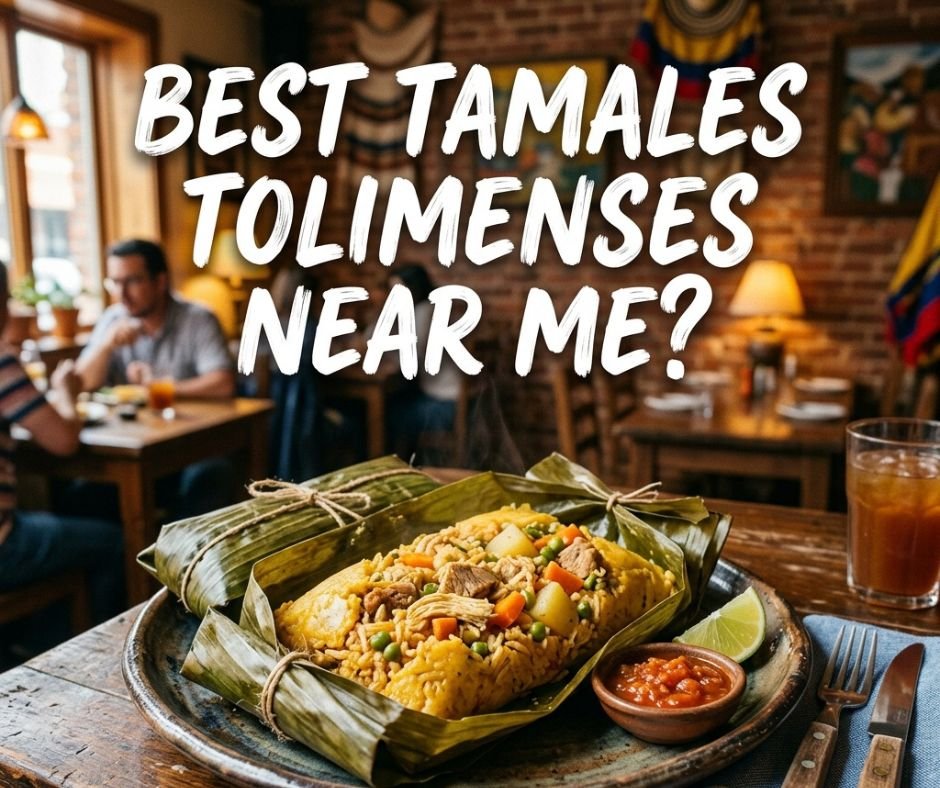

Craving something warm, hearty, and wrapped in tradition? If you’re searching for the best Tamales Tolimenses near me, you’re not just looking for dinner. You’re chasing down a taste of Colombia’s Tolima region, one that’s steamed low and slow in plantain leaves until every bite tastes like home. Whether you grew up eating these on Sunday mornings or you’re discovering them for the first time, finding an authentic version nearby can feel surprisingly tricky in the USA.
This guide walks you through everything you need to know: what makes a Tamal Tolimense the real deal, where to actually find one near you, what it should cost, and how to avoid the common mistakes that lead to a disappointing, watered-down version of a dish that deserves better. Let’s get into it.
What Are Tamales Tolimenses? A Quick Introduction to This Colombian Classic
Tamales Tolimenses originate from the Tolima region in central Colombia, an area known for its rich agricultural heritage and deep culinary roots. Unlike the tamales you might associate with Mexican cuisine, this version is built around a foundation of cornmeal and rice, layered with a savory filling of seasoned meats and vegetables, then wrapped tightly in plantain leaves or banana leaves before being steamed for hours.
The result is a dense, satisfying package of food that Colombian families traditionally eat for breakfast, especially on weekends or during holiday gatherings. In fact, many Colombian households treat tamal-making as a weekend specialty, an event that brings generations together in the kitchen. When you search for tamales near me and find a genuine Tolimense version, you’re tasting a regional specialty that carries centuries of culinary tradition in every bite.
What Makes Tamales Tolimenses Different from Other Colombian Tamales
Not all Colombian tamales are created equal, and this is where a lot of confusion happens for people outside Colombia. Tolimense tamales stand apart from other regional styles, like tamales santafereños (from Bogotá) or tamales vallunos (from the Valle del Cauca region), primarily through their filling composition and wrapping technique. Tolimense versions typically include a more generous mix of meats, often combining pork, chicken, and sometimes beef in a single tamal, while other regional styles may lean more heavily on just one protein.
The seasoning also differs. Tolimense tamales tend to use a distinctive blend of spices that gives them a deeper, earthier authentic flavor compared to the lighter profile found in some other Colombian tamale traditions. Additionally, the way the plantain leaves are folded and tied varies by region, which affects both presentation and how evenly the tamal steams. If a restaurant or seller near you claims to sell “Colombian tamales” without specifying the style, it’s worth asking directly whether they’re Tolimense, since the difference in taste and texture can be significant.
Key Ingredients That Define an Authentic Tamal Tolimense
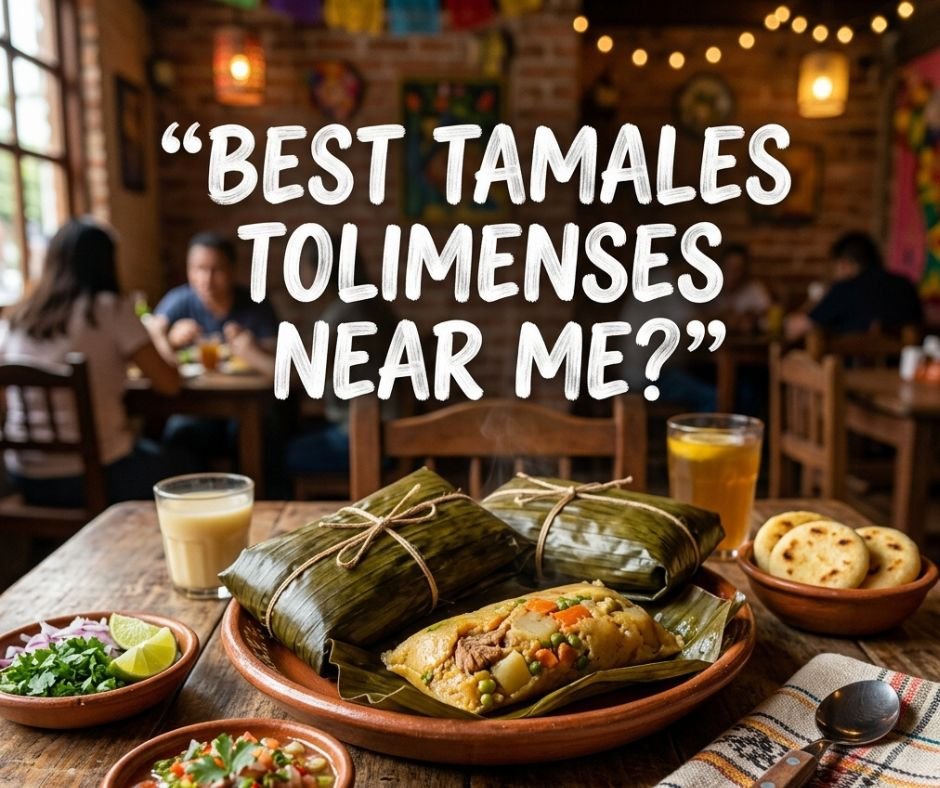
Understanding the ingredient list helps you spot the real thing when you’re comparing options nearby. An authentic Tamal Tolimense isn’t a shortcut dish. Every component plays a specific role in building the final flavor and texture.
The Corn Masa Base
The foundation of every Tamal Tolimense is a masa made from ground corn, sometimes blended with rice for added texture and heartiness. This base isn’t the same smooth, fine masa you’d find in Mexican tamales. Instead, it has a slightly coarser, more rustic soft texture that holds up well during the long steaming process. Some home cooks and traditional sellers also incorporate a touch of pork broth into the masa itself, which deepens the homemade taste significantly.
The Meat and Vegetable Filling
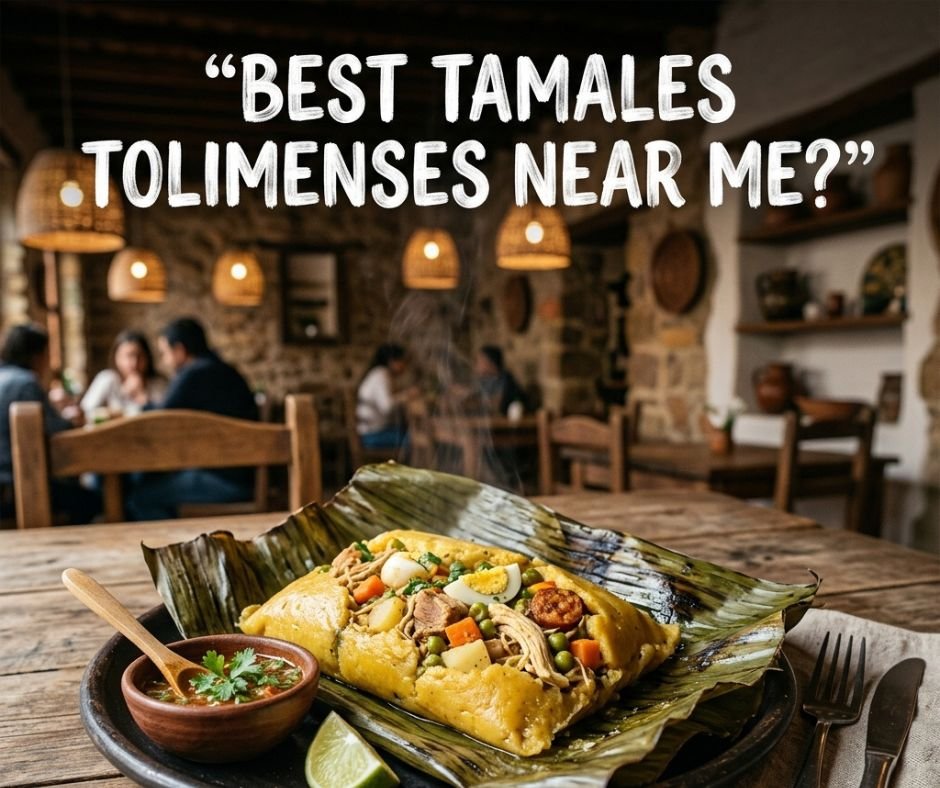
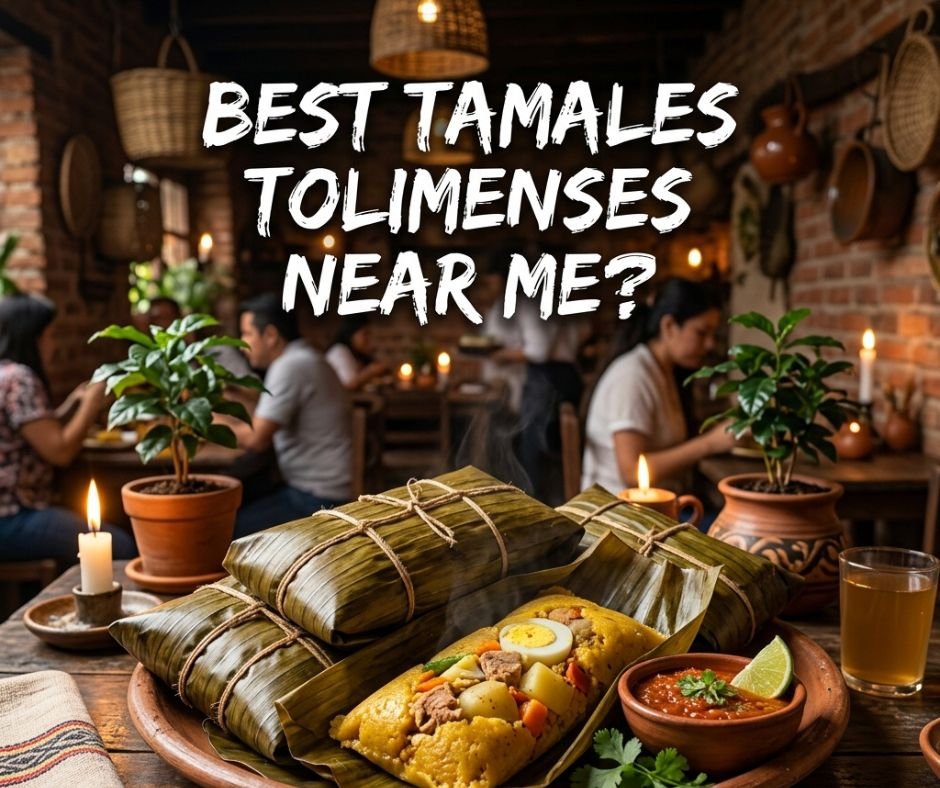
Inside that masa base, you’ll typically find a seasoned meat combination that can include pork, chicken, and occasionally beef, layered alongside carrots, peas, potatoes, and often a boiled egg. This hearty filling is what makes a single tamal filling enough to serve as a complete meal rather than just a snack. The vegetables aren’t an afterthought either. They’re chosen specifically to balance the richness of the meat and add textural contrast.
The Plantain Leaf Wrapper
Before steaming, the entire mixture gets wrapped in plantain leaves, sometimes referred to as banana leaves depending on the region and availability. These leaves aren’t just packaging. They infuse the masa and filling with a subtle, earthy aroma during the steaming process that’s nearly impossible to replicate with foil or parchment paper. If you ever come across tamales made without real plantain leaves, that’s usually a sign you’re not getting an authentic traditional preparation.
What Do Tamales Tolimenses Taste Like?
If you’ve never tried one, imagine a savory, slightly smoky flavor with a soft texture that falls somewhere between a hearty stew and a dense dumpling. The masa carries a mild corn sweetness that balances beautifully against the seasoned meat filling, while the plantain leaf wrapping adds a faint herbal note you won’t find in any other dish. Every bite delivers layers of flavor rather than a single dominant taste.
More importantly, the experience goes beyond just flavor. Unwrapping a tamal is part of the ritual, and the aroma that escapes the moment you open the leaves is often described by Colombians as instantly nostalgic. It’s warm, comforting, and distinctly different from spicier or more acidic Latin dishes. If you’re used to Mexican or Central American tamales, expect something milder in heat but far richer in authentic flavor and overall complexity.
How to Find the Best Tamales Tolimenses Near Me
Finding real Tolimense tamales in the USA takes a bit more effort than searching for generic Latin food, but there are several reliable paths depending on where you live and what you’re looking for.
Colombian and Latin American Restaurants
Your first and often most reliable option is a dedicated Colombian restaurant near me. Cities with larger Colombian populations, such as Miami, New York (particularly Queens), Houston, and parts of New Jersey, tend to have restaurants that serve tamales as a breakfast food on weekends specifically. Searching “Colombian restaurants near me” combined with the word “tamales” in Google or Yelp usually surfaces a shortlist fast. Always check the menu ahead of time, since not every Colombian restaurant offers Tolimense-style tamales specifically.
Latin Grocery Stores and Carnicerías
Many Colombian bakery near me searches and Latin grocery stores stock frozen or fresh tamales made in-house or sourced from local Colombian cooks. These stores often sell tamales at a lower price point than restaurants, and the quality can be surprisingly high since many are made using traditional family recipes. Ask the staff directly whether their tamales are Tolimense style, since grocery stores frequently carry multiple regional varieties without clearly labeling them.
Home Cooks and Local Caterers
In cities with active Colombian communities, home cooks selling homemade Tamales Tolimenses through word of mouth or Facebook groups are often your best bet for the most authentic flavor. These sellers usually take orders in advance, especially around Christmas and other Colombian holidays, so planning ahead matters. Local Colombian catering services are another strong option if you’re feeding a group or hosting an event.
Online Colombian Food Marketplaces and Shipping Services
If there’s no Colombian community near you, don’t count yourself out. Several online marketplaces now specialize in Colombian food delivery and ship frozen tamales nationwide with proper cold packaging. This option works especially well for people in smaller cities or rural areas where local Colombian restaurants simply don’t exist yet.
How to Choose the Best Tamales Tolimenses Near You
Once you’ve found a few nearby options, narrowing down the best one requires a bit of due diligence. Here’s a practical checklist to guide your decision:
| Factor | What to Look For |
| Ingredient transparency | Seller can clearly describe the meats, vegetables, and wrapping used |
| Customer reviews | Consistent mentions of “authentic,” “traditional,” or “just like my grandmother’s” |
| Freshness | Tamales made to order or frozen shortly after preparation, not sitting for weeks |
| Packaging | Wrapped in real plantain or banana leaves, not foil substitutes |
| Portion size | Should feel substantial enough to serve as a full meal |
| Pickup or delivery options | Clear Tamales Tolimenses pickup or Tamales Tolimenses delivery availability near your location |
Reading customer reviews carefully matters more than star ratings alone. A seller with a 4.5-star rating and detailed reviews describing the exact taste and texture is often more trustworthy than one with a perfect score and vague, generic comments.
Tamales Tolimenses vs. Other Colombian Tamales
Understanding regional differences helps you set the right expectations before you order. The table below breaks down the most notable distinctions between Tolimense tamales and other common Colombian styles.
| Style | Region | Key Filling | Texture | Common Serving Time |
| Tamal Tolimense | Tolima | Pork, chicken, sometimes beef, egg, vegetables | Dense, hearty | Weekend breakfast |
| Tamal Santafereño | Bogotá | Pork, chicken, chickpeas, potatoes | Slightly firmer masa | Breakfast or lunch |
| Tamal Valluno | Valle del Cauca | Pork, chicken, rice, less vegetable variety | Lighter, softer | Anytime |
If you’re comparing options at a local Colombian restaurant, this table gives you a quick reference for what to expect before you order, especially if the menu doesn’t specify the regional style clearly.
How Much Do Tamales Tolimenses Cost Near Me?
Pricing varies significantly depending on where you buy and how the tamal was prepared. Understanding the typical range helps you avoid overpaying or, just as importantly, avoid a suspiciously cheap option that likely cuts corners on ingredients.
Restaurant-prepared tamales generally run higher due to overhead costs, freshness guarantees, and dine-in service. Home cooks and community sellers tend to offer the most competitive price since they operate with lower overhead, while grocery store versions fall somewhere in between depending on whether they’re fresh or frozen.
| Source | Typical Price Range (per tamal) |
| Colombian restaurant (dine-in or takeout) | $8–$14 |
| Latin grocery store (fresh or frozen) | $5–$9 |
| Home cook or local caterer | $6–$10 |
| Online shipped marketplace | $7–$12 (plus shipping) |
Keep in mind that portion size directly affects price. A larger, more generously filled tamal will naturally cost more than a smaller, lighter version, so comparing price per tamal without considering size can be misleading.
How to Order Tamales Tolimenses for Pickup, Delivery, or Nationwide Shipping
Ordering has become significantly easier over the past few years as more Colombian sellers build an online presence. Follow these steps to make sure your order goes smoothly:
- Confirm the regional style. Message the seller or restaurant directly to confirm they make Tolimense-style tamales specifically, not a different regional variety.
- Check pickup or delivery windows. Many home cooks and small caterers only prepare tamales on specific days, so ask about availability before assuming same-day service.
- Ask about reheating instructions. Frozen or shipped tamales need proper reheating to preserve the soft texture and flavor, so request guidance upfront.
- Review shipping options carefully. If ordering through an online marketplace, verify that the tamales ship frozen with insulated packaging to prevent spoilage in transit.
- Order ahead for holidays. Demand spikes significantly around Christmas and Colombian Independence Day, so place orders at least a week in advance during these periods.
Following these steps helps you avoid the most common frustration people run into: placing an order only to discover the seller is sold out or doesn’t actually offer the Tolimense variety at all.
Mistakes to Avoid When Buying Tamales Tolimenses Near You
Even experienced Colombian food fans run into avoidable issues when ordering tamales, especially from a new seller.
Forgetting to Ask About Reheating and Storage Instructions
Tamales are dense, and improper reheating can leave the masa either dried out or unevenly warmed. Always ask the seller for their recommended reheating method, whether that’s re-steaming, microwaving in the original leaf wrapping, or boiling briefly. Skipping this step is one of the most common reasons people end up disappointed with tamales that were actually made correctly in the first place.
Assuming All “Colombian Tamales” Are Tolimense-Style
As covered earlier, Colombia has several distinct tamale traditions, and many restaurants simply list “Colombian tamales” on the menu without specifying which regional style they follow. This ambiguity leads to mismatched expectations, especially if you’re specifically craving the heartier, more heavily seasoned Tolimense version. Always ask directly rather than assuming.
Frequently Asked Questions About Tamales Tolimenses Near Me
Where can I find authentic Tamales Tolimenses near me?
Check Colombian restaurants, Latin grocery stores, and local Colombian catering services in your area first. If none are available nearby, online Colombian food marketplaces ship frozen tamales nationwide.
What ingredients are in a Tamal Tolimense?
A traditional Tamal Tolimense includes a corn and rice masa base, along with a filling of pork, chicken, and sometimes beef, plus carrots, peas, potatoes, and a boiled egg, all wrapped in plantain leaves.
Are Tamales Tolimenses Colombian?
Yes. Tamales Tolimenses originate specifically from the Tolima region of central Colombia and represent one of the country’s most well-known regional tamale traditions.
What is the difference between a Tolimense and regular Colombian tamal?
“Regular Colombian tamal” isn’t a single fixed recipe. Colombia has multiple regional styles, and Tolimense tamales are typically distinguished by their generous multi-meat filling and heartier masa compared to lighter versions like tamales vallunos.
How much does a Tamal Tolimense cost?
Prices generally range from $5 to $14 per tamal depending on whether you buy from a grocery store, home cook, restaurant, or shipped online marketplace.
Final Thoughts
Finding the best Tamales Tolimenses near you comes down to knowing what authentic actually looks like, then checking that against what’s available in your area, whether that’s a local Colombian restaurant, a neighborhood carnicería, a home cook taking holiday orders, or a shipping service that brings Tolima’s flavors straight to your door. Pay attention to the ingredients, ask questions before you order, and don’t settle for a version that skips the plantain leaves or cuts corners on the filling. Once you find a seller who gets it right, you’ll understand exactly why this dish has stayed a Colombian breakfast staple for generations.

Welcome to DishVanta! I’m Jhone, a passionate content writer with 1 years of experience in SEO, digital content, and website growth. I create engaging, search-friendly content that helps websites attract more visitors and build a stronger online presence. My aim is to make SEO, content creation, and web design simple, practical, and effective. Let’s work together to create better content, grow your audience, and achieve lasting online success!