


Planning a memorable event does not require an enormous budget. The real challenge is knowing where to spend, where to save, and how to organize every detail before costs start adding up. Blog ThriftyEvents.net focuses on practical ideas for people who want attractive, enjoyable events without unnecessary spending. Its content covers budgeting, planning, DIY projects, affordable venues, catering, decorations, and other useful event-planning decisions. The site describes its purpose as helping readers create memorable experiences while keeping expenses under control.
Whether you are arranging a birthday celebration, wedding, corporate gathering, community event, or small party, a structured approach can make planning easier. This guide explains how to use thrifty event-planning principles from the first idea through the final checklist.
What Is Blog ThriftyEvents.net and What Is It About?
Blog ThriftyEvents.net is an event-planning resource focused on affordability, creativity, and practical organization. The website presents content around budgeting, DIY ideas, venue selection, event planning, and ways to create enjoyable experiences without overspending. Its homepage specifically highlights budgeting tips, DIY ideas, and event-planning guidance as core areas.
The underlying idea is simple: spending less does not have to mean creating a less impressive event. Instead, you can decide which elements matter most and allocate your money accordingly. For example, a wedding may prioritize food and photography while using simple DIY décor. A community gathering might focus on seating, accessibility, and entertainment while choosing an inexpensive venue.
This approach makes budget event planning more strategic than simply cutting every expense. You are trying to maximize value, not minimize quality.
What Topics Does the ThriftyEvents.net Blog Cover?
The ThriftyEvents.net blog covers several areas that can help you plan events more efficiently. Its content emphasizes practical event preparation, creative ideas, budgeting, DIY projects, venues, and ways to reduce unnecessary spending. The website also describes its goal as helping people plan everything from small gatherings to larger celebrations.
Event Planning and Organization
Good event organization starts long before guests arrive. You need a clear purpose, realistic guest estimate, timeline, venue plan, supplier list, and spending limit.
A written planning document can help keep those details together. Useful sections include deadlines, vendor contacts, budgets, venue information, responsibilities, and contingency plans. This approach reduces confusion because everyone can see what needs to happen and when.
Budget-Friendly Parties and Celebrations
The blog’s thrifty approach can apply to birthdays, weddings, community gatherings, corporate events, and other celebrations. The same principle works across event types: identify the elements that create the most value for your guests, then spend accordingly.
DIY Decorations, Food, and Event Ideas
DIY projects can also make an event feel more personal. Simple centerpieces, handmade signage, reusable décor, and creative table settings can replace expensive customized items. However, DIY only saves money when the materials and time cost less than purchasing or renting the finished product.
How to Plan an Event Step by Step With ThriftyEvents.net Ideas

The easiest way to avoid overspending is to make financial decisions before making purchasing decisions. Start with the event’s purpose, estimated attendance, preferred date, and maximum budget.
Define Your Event Goals and Guest List
First, determine what you want guests to experience. A formal dinner requires different resources from a casual outdoor gathering. Your guest count also affects almost every major expense, especially food, seating, venue size, invitations, and transportation.
Keep the guest list realistic. Adding ten people can affect more than just ten meals. You may need additional tables, chairs, parking, staff, or even a larger venue.
Set a Realistic Budget and Timeline
Next, establish a maximum spending limit. Divide it into major categories such as venue, food, décor, entertainment, transportation, and miscellaneous expenses.
A useful simple event planning checklist should also include deadlines. Booking a venue, confirming vendors, sending invitations, finalizing menus, and completing setup should each have a target date.
Organize Vendors, Supplies, and Activities
Create one central record for suppliers, quotes, contracts, contact details, payments, and deadlines. An organized document makes it easier to compare options and identify missing tasks.
The planning process should also include contingency preparation. Outdoor events may need weather alternatives. Technology-heavy events need backup equipment. A second vendor can be valuable when cancellation would seriously disrupt the event.
How to Create an Effective Event Budget
Managing an event budget becomes much easier when you separate essential expenses from optional upgrades. Start by listing every expected cost rather than estimating one large figure.
| Budget Category | What to Consider |
| Venue | Rental, deposit, cleaning, security, equipment |
| Food | Meals, beverages, service fees, staffing |
| Décor | Flowers, lighting, tablescapes, signage |
| Entertainment | DJ, music, performers, equipment |
| Transportation | Parking, shuttles, delivery |
| Marketing | Invitations, printing, digital promotion |
| Miscellaneous | Insurance, permits, emergency purchases |
Include hidden or secondary costs where possible. A venue may have separate setup, cleanup, overtime, or equipment charges. Catering can include service fees, delivery, staffing, and beverages beyond the menu price.
A contingency amount is also useful. Rather than treating unexpected spending as a surprise, create a specific reserve within your budget. The exact amount depends on your event, risk level, and financial flexibility.
The best event budgeting tips are therefore less about finding one magical percentage and more about visibility. Track estimated costs, confirmed costs, amounts already paid, and remaining balances.
Affordable Event Decoration and DIY Ideas
Decorations can transform a plain space, but they can also consume a surprising portion of your budget. Start by choosing a simple theme and selecting a few visual elements that create the biggest impact.
For example, lighting can change the atmosphere dramatically without covering every surface with decorations. Fabric, greenery, candles where appropriate, reusable signage, and coordinated table settings can also create visual consistency.
DIY event decorations work particularly well when you already have some materials or can reuse them later. You could create welcome signs, table numbers, photo backdrops, paper décor, or simple centerpieces.
However, calculate your real DIY cost. If a handmade centerpiece requires expensive materials and several hours of work, a rental or ready-made alternative might be more economical. The goal is creative event decoration ideas, not DIY for its own sake.
Reusable décor can provide another advantage. Instead of purchasing items designed for one occasion, select neutral pieces that can work for birthdays, dinners, showers, or corporate gatherings.
Budget-Friendly Food, Catering, and Entertainment Ideas

Food is often one of the largest event expenses, so thoughtful menu design can make a substantial difference. Start with your guest count and event duration, then choose a service style that matches both.
A buffet can sometimes simplify service, while individually served meals may offer a more formal experience. For informal gatherings, a carefully planned menu with fewer complicated dishes can reduce preparation and service requirements.
Budget-friendly catering does not mean offering poor-quality food. It means matching the menu to the occasion and avoiding unnecessary complexity. Local suppliers may also provide practical options depending on your location.
Entertainment deserves the same treatment. Ask what guests actually value. A small gathering may need only curated music and interactive activities. A larger event might justify professional entertainment.
The broader goal is planning parties without overspending while protecting the elements that genuinely influence guest satisfaction.
How to Choose an Affordable Event Venue and Vendors
Choosing an affordable venue requires looking beyond the advertised rental price. Compare what each location includes, such as tables, chairs, lighting, cleaning, parking, setup time, and equipment.
A cheaper venue can become expensive if you must rent everything separately. Conversely, a slightly higher rental fee might represent better value when essential services are included.
When choosing an affordable event venue, also consider accessibility, location, capacity, cancellation terms, restrictions, and additional charges. A venue that requires extensive transportation can create costs elsewhere.
The same principle applies when finding affordable vendors. Request itemized quotes rather than comparing only headline prices. Check exactly what the quote includes, when payment is due, and what happens if plans change.
For important suppliers, evaluate value using three factors: price, reliability, and flexibility. The cheapest option is not always the safest choice if a failure would create major problems on event day.
Common Budget Event Planning Mistakes to Avoid
One common mistake is creating a budget after making major decisions. Once you book an expensive venue or vendor, you may have little room left for essential expenses.
Another mistake is focusing too heavily on appearance. Attractive décor matters, but guests also notice comfort, food flow, seating, temperature, sound quality, and how smoothly the event operates.
Ignoring small expenses can cause another problem. Delivery fees, printing, service charges, tips, parking, equipment rentals, and last-minute purchases can gradually push spending beyond the original estimate.
You should also avoid leaving important decisions until the final days. Late purchases often reduce your choices and can increase costs.
Finally, do not skip a backup plan. Weather, vendor cancellations, equipment problems, and unexpected attendance changes can affect even carefully planned events. A basic contingency strategy can protect both your experience and your budget.
Who Can Benefit From Blog ThriftyEvents.net?
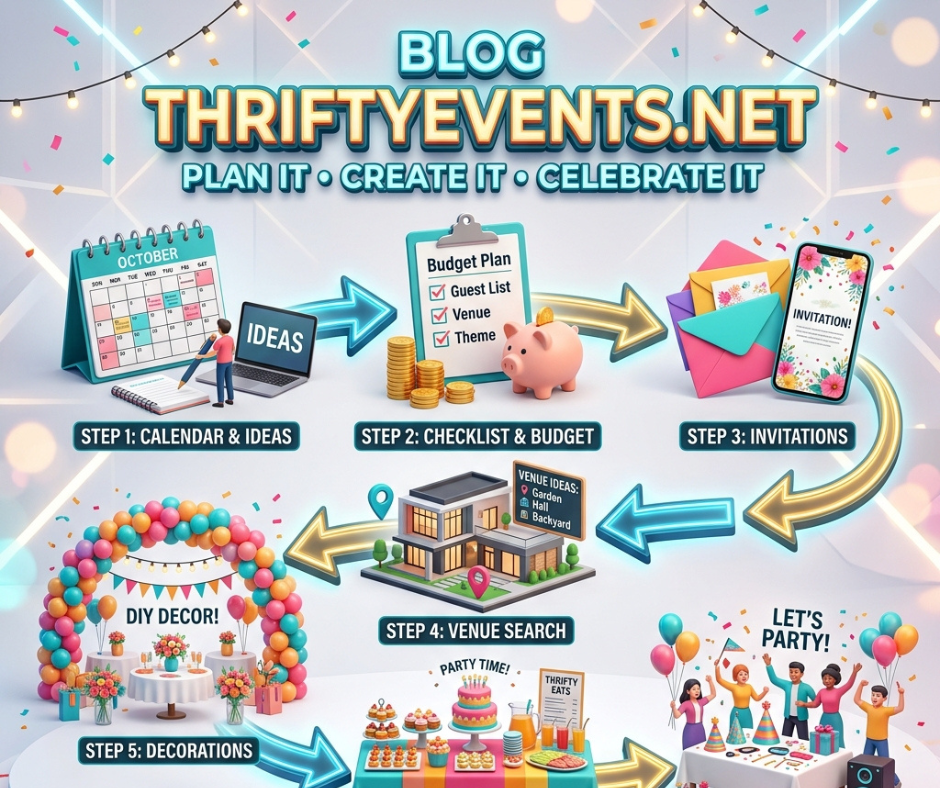
Blog ThriftyEvents.net can be useful for anyone interested in practical, affordable event planning. Beginners can use its concepts to understand the basic planning process, while experienced organizers can apply individual cost-saving techniques.
Families planning birthdays or celebrations may benefit from affordable party ideas and DIY approaches. Couples can apply similar principles to weddings by deciding which services deserve the largest share of their budget.
Small businesses and community groups can also benefit from structured budgeting. When funds are limited, careful planning helps organizers deliver a useful experience without spending money on low-impact extras.
The most important lesson is adaptability. Your budget, venue, guest list, and priorities will differ from someone else’s. Use event-planning resources as frameworks rather than rigid formulas.
ThriftyEvents.net in 2026: Practical Tips, Alternatives, and FAQs
The current ThriftyEvents.net site continues to position itself around budget-conscious planning, DIY ideas, affordable venues, budgeting guidance, and event organization. Its recent content also emphasizes structured budgeting, vendor comparisons, reusable décor, flexible dates, and contingency planning.
That makes the most useful takeaway straightforward: plan around priorities rather than purchases. Decide what your guests need, establish your financial limits, compare options, and keep a record of every important commitment.
What Are the Best Alternatives to Expensive Event Planning?
You can reduce costs by using community spaces, comparing multiple vendors, choosing flexible dates, renting instead of purchasing rarely used equipment, and creating selected decorations yourself.
Another effective approach is simplifying the event format. A shorter celebration, smaller menu, digital invitations, or fewer decorative elements can reduce expenses without removing the central purpose of the event.
Frequently Asked Questions
What is Blog ThriftyEvents.net?
It is an event-planning resource focused on budgeting, DIY ideas, affordable venues, and practical ways to organize memorable events.
What types of events can use these budget ideas?
The principles can apply to birthdays, weddings, community gatherings, corporate events, and other celebrations.
How can I plan an event on a small budget?
Set a firm spending limit, estimate your guest count, prioritize essential expenses, compare vendors, and track every confirmed cost.
How can I save money on event decorations?
Use reusable pieces, simple themes, selected DIY projects, and décor that creates strong visual impact without requiring large quantities.
What should I consider when choosing a venue?
Compare the rental price, included services, capacity, location, accessibility, restrictions, deposits, cancellation terms, and additional fees.
Conclusion
A successful event is not defined by how much money you spend. It is defined by how intelligently you use the resources available to you. Blog ThriftyEvents.net provides a useful framework for thinking about event planning through budgeting, organization, creativity, and practical decision-making.
Start with a clear purpose and realistic guest list. Build your budget before committing to major purchases. Compare venues and vendors carefully, then prioritize the details guests will actually notice. Use money-saving event tips, reusable décor, sensible catering choices, and contingency planning to protect your budget.
Most importantly, remember that affordable does not have to mean ordinary. With thoughtful preparation and the right priorities, you can create memorable events on a budget while keeping unnecessary costs under control.

Welcome to DishVanta! I’m Jhone, a passionate content writer with 1 years of experience in SEO, digital content, and website growth. I create engaging, search-friendly content that helps websites attract more visitors and build a stronger online presence. My aim is to make SEO, content creation, and web design simple, practical, and effective. Let’s work together to create better content, grow your audience, and achieve lasting online success!